
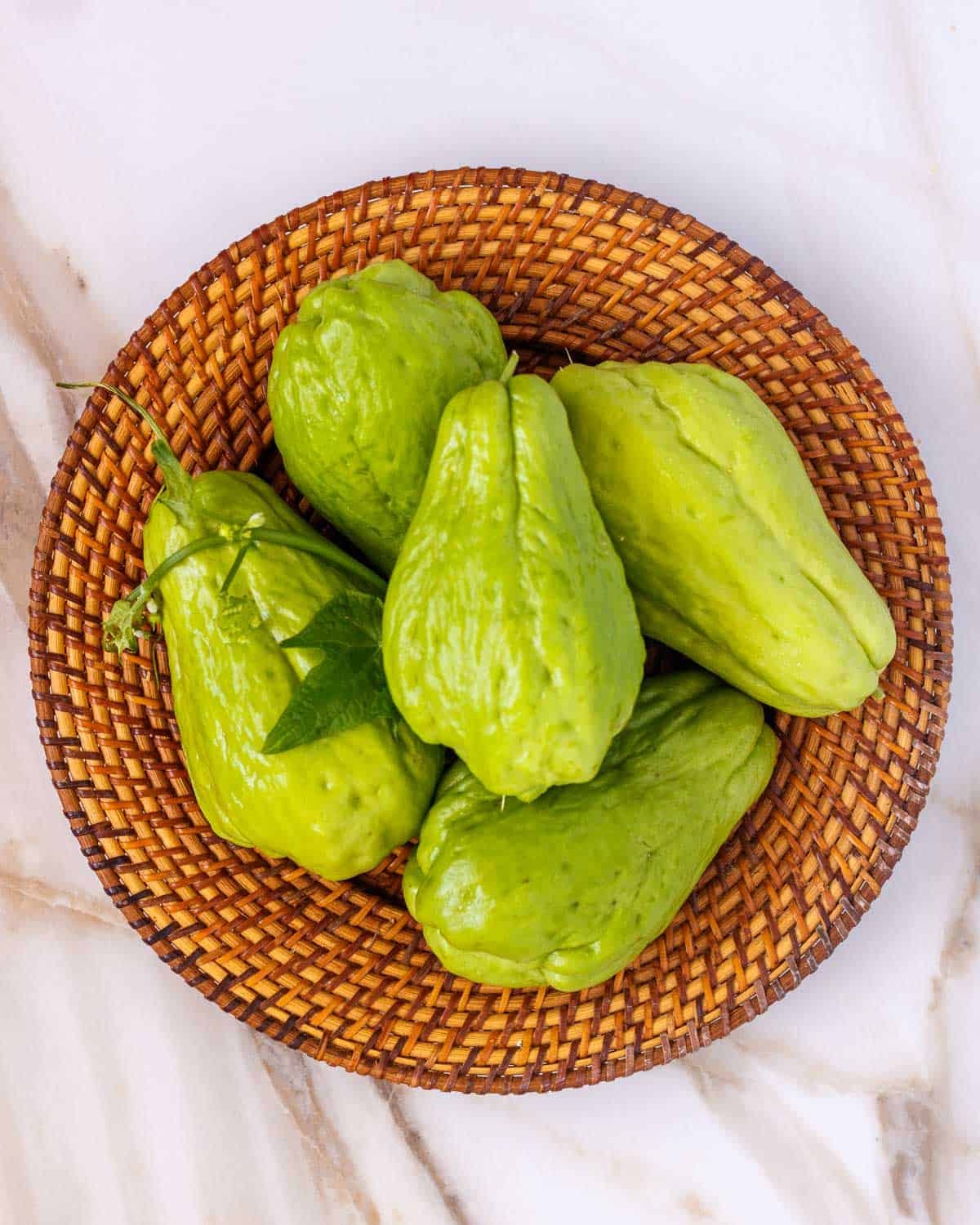
If you’ve ever spotted a pear-shaped green vegetable at a local market and wondered whether it was a mirliton or a chayote, you’re not alone. These names often confuse shoppers because they refer to the same fascinating vegetable in different regions. While the terminology varies, the history, culinary traditions, and cultural significance behind each name make the topic far more interesting than it first appears.
Whether you’re a home cook, gardener, or simply curious about unusual vegetables, understanding mirliton can help you appreciate its versatility and nutritional value. This guide explores everything you need to know, from its origin and health benefits to cooking techniques and growing tips.
What Is Mirliton?
Mirliton is the regional name commonly used in Louisiana and parts of the Caribbean for chayote (Sechium edule), a member of the gourd family. In many countries, including Mexico and the United States, the same vegetable is simply called chayote.
Its light green, wrinkled skin and pear-like shape make it easy to recognize. Inside, it contains crisp, pale flesh with a mild flavor that blends beautifully with both savory and slightly sweet dishes.
Unlike many vegetables that are enjoyed only for their fruit, nearly every part of the mirliton plant is edible, including the young shoots, leaves, roots, and seeds.
Why Does It Have Different Names?
The different names reflect regional traditions rather than botanical differences.
- Mirliton – Popular in Louisiana and the Caribbean.
- Chayote – Widely used in the United States and internationally.
- Vegetable Pear – Common in Australia and New Zealand.
- Chocho – Used in Jamaica.
- Sayote – Popular in the Philippines.
Despite these names, they all describe the same vegetable.
Mirliton vs. Chayote: Are They Different?
The short answer is no.
There is no botanical difference between mirliton and chayote. The distinction lies entirely in local language and culinary traditions.
In Louisiana, especially around New Orleans, families have cooked mirliton for generations. Recipes are often passed down through families and are deeply connected to Creole and Cajun cuisine.
Elsewhere, people recognize the vegetable as chayote and prepare it according to local cooking styles, including stir-fries, soups, curries, salads, and pickles.
The vegetable itself remains identical regardless of what it is called.
Nutritional Value of Mirliton
One reason mirliton has become increasingly popular is its impressive nutritional profile.
A single serving provides essential nutrients while remaining naturally low in calories and fat.
Rich in Vitamins
Mirliton contains several important vitamins, including:
- Vitamin C
- Vitamin B6
- Folate
- Vitamin K
These nutrients help support immune health, energy production, and healthy blood circulation.
High in Fiber
Dietary fiber supports healthy digestion and promotes fullness after meals. Including fiber-rich vegetables like mirliton can make balanced eating easier.
Low in Calories
A cup of cooked mirliton contains only about 40 calories, making it an excellent option for people looking to enjoy satisfying meals without excessive calorie intake.
Contains Beneficial Antioxidants
Natural antioxidants found in mirliton help protect cells from oxidative stress and support overall wellness.
Health Benefits of Mirliton
Adding mirliton to your diet offers several health advantages.
Supports Heart Health
Its potassium content helps maintain healthy blood pressure, while fiber contributes to improved cholesterol management.
Promotes Healthy Digestion
The vegetable’s fiber encourages regular digestion and supports beneficial gut bacteria.
Helps with Weight Management
Because mirliton is filling but low in calories, it fits well into balanced eating plans focused on healthy weight maintenance.
Supports Pregnancy Nutrition
Folate plays an important role during pregnancy, making mirliton a valuable vegetable for expecting mothers when included as part of a balanced diet.
May Help Control Blood Sugar
The combination of fiber and a relatively low calorie content can contribute to steady energy levels when consumed alongside a nutritious diet.
What Does Mirliton Taste Like?
Many people describe the flavor as somewhere between cucumber, zucchini, and green apple.
Its taste is very mild, allowing it to absorb the flavors of herbs, spices, sauces, and seasonings exceptionally well.
When raw, the texture is crisp and refreshing.
When cooked, it becomes tender while still maintaining a pleasant firmness.
This adaptability explains why it appears in recipes from so many different cultures.
Popular Ways to Cook Mirliton
One of the best things about mirliton is its versatility in the kitchen.
Stuffed Mirliton
Perhaps the most famous Louisiana recipe involves halving the vegetable, removing the flesh, mixing it with shrimp, crab, breadcrumbs, onions, celery, and seasonings, then baking it until golden.
It’s a comforting family dish that has become a holiday tradition for many households.
Soups and Stews
Its mild flavor makes it an excellent addition to vegetable soups, chicken stews, and seafood broths.
It softens nicely without falling apart during cooking.
Stir-Fries
Across Asia, chayote is frequently sliced into thin strips and quickly stir-fried with garlic, soy sauce, ginger, and fresh vegetables.
The result is crisp, flavorful, and nutritious.
Fresh Salads
Young mirliton can be eaten raw.
Thin slices add crunch to salads, slaws, and fresh vegetable platters.
Roasted or Grilled
Roasting brings out a subtle sweetness while preserving its tender texture.
A drizzle of olive oil, garlic, pepper, and herbs creates a simple but satisfying side dish.
How to Grow Mirliton at Home
Gardeners appreciate mirliton because it is relatively easy to cultivate in warm climates.
The plant grows as a vigorous climbing vine that produces abundant fruit during the growing season.
Planting
Unlike many vegetables, mirliton is usually planted using the entire fruit rather than separate seeds.
The fruit naturally sprouts after several weeks and can then be placed in well-drained soil.
Sunlight Requirements
Choose a location receiving six to eight hours of sunlight each day.
Strong sunlight encourages healthy vines and better fruit production.
Watering
Keep the soil consistently moist but avoid excessive watering that may damage the roots.
Mulching helps retain moisture during warmer months.
Harvesting
Most fruits are ready to harvest around four to six months after planting, depending on the climate and growing conditions.
Regular harvesting encourages continued production.
How to Choose and Store Mirliton
Selecting quality produce makes a noticeable difference in cooking.
Look for fruits that are:
- Firm to the touch
- Bright green
- Free from bruises
- Smooth with minimal wrinkles
Avoid vegetables with soft spots or signs of decay.
Store fresh mirliton in the refrigerator, where it can remain fresh for up to three weeks.
If already cut, wrap it tightly and use it within several days for the best flavor and texture.
Common Mistakes When Cooking Mirliton
Even experienced cooks occasionally make simple mistakes.
One common error is overcooking the vegetable. Excessive cooking causes it to become watery and lose its pleasant texture.
Another mistake is under-seasoning. Because mirliton has such a mild flavor, it benefits from herbs, spices, garlic, onions, citrus, or flavorful sauces.
Finally, some people peel the vegetable unnecessarily. Young, tender mirliton often has edible skin that becomes pleasantly soft after cooking.
Why Mirliton Remains Popular Today
Although it has been cultivated for centuries, mirliton continues to gain popularity as more people discover nutritious, versatile vegetables.
Home gardeners appreciate its productivity, while chefs enjoy its ability to complement diverse cuisines.
Whether prepared in a classic Louisiana stuffed recipe or added to an Asian stir-fry, mirliton proves that simple ingredients can create memorable meals.
Its affordability, nutritional value, and culinary flexibility make it an excellent addition to modern kitchens.
Frequently Asked Questions
Is mirliton the same as chayote?
Yes. Mirliton and chayote are exactly the same vegetable. The different names simply reflect regional language and cultural traditions.
Can you eat mirliton raw?
Absolutely. Young mirliton can be eaten raw in salads, slaws, or sliced as a crunchy snack. It has a mild, refreshing flavor similar to cucumber.
Is mirliton healthy?
Yes. Mirliton is rich in fiber, vitamin C, folate, potassium, and antioxidants while remaining naturally low in calories and fat, making it a nutritious addition to most diets.
How do you know when mirliton is ripe?
A ripe mirliton feels firm, has bright green skin, and is free from major blemishes or soft spots. Avoid fruits that appear shriveled or damaged.
What dishes can you make with mirliton?
Mirliton works well in stuffed recipes, soups, casseroles, stir-fries, salads, roasted vegetable dishes, curries, and even pickled preparations. Its mild flavor allows it to pair with a wide variety of ingredients.
Conclusion
Mirliton and chayote are two names for the same remarkable vegetable, but the traditions surrounding each name tell unique cultural stories. Beyond the terminology, this versatile squash offers outstanding nutrition, simple preparation methods, and incredible flexibility in the kitchen. Whether you’re discovering it for the first time or reconnecting with a family favorite, mirliton deserves a place in your meals. From healthy everyday recipes to festive Louisiana classics, it continues to be a vegetable that combines flavor, tradition, and nourishment in every bite.
Stay in touch to get more updates & alerts on Technofeed! Thank you