
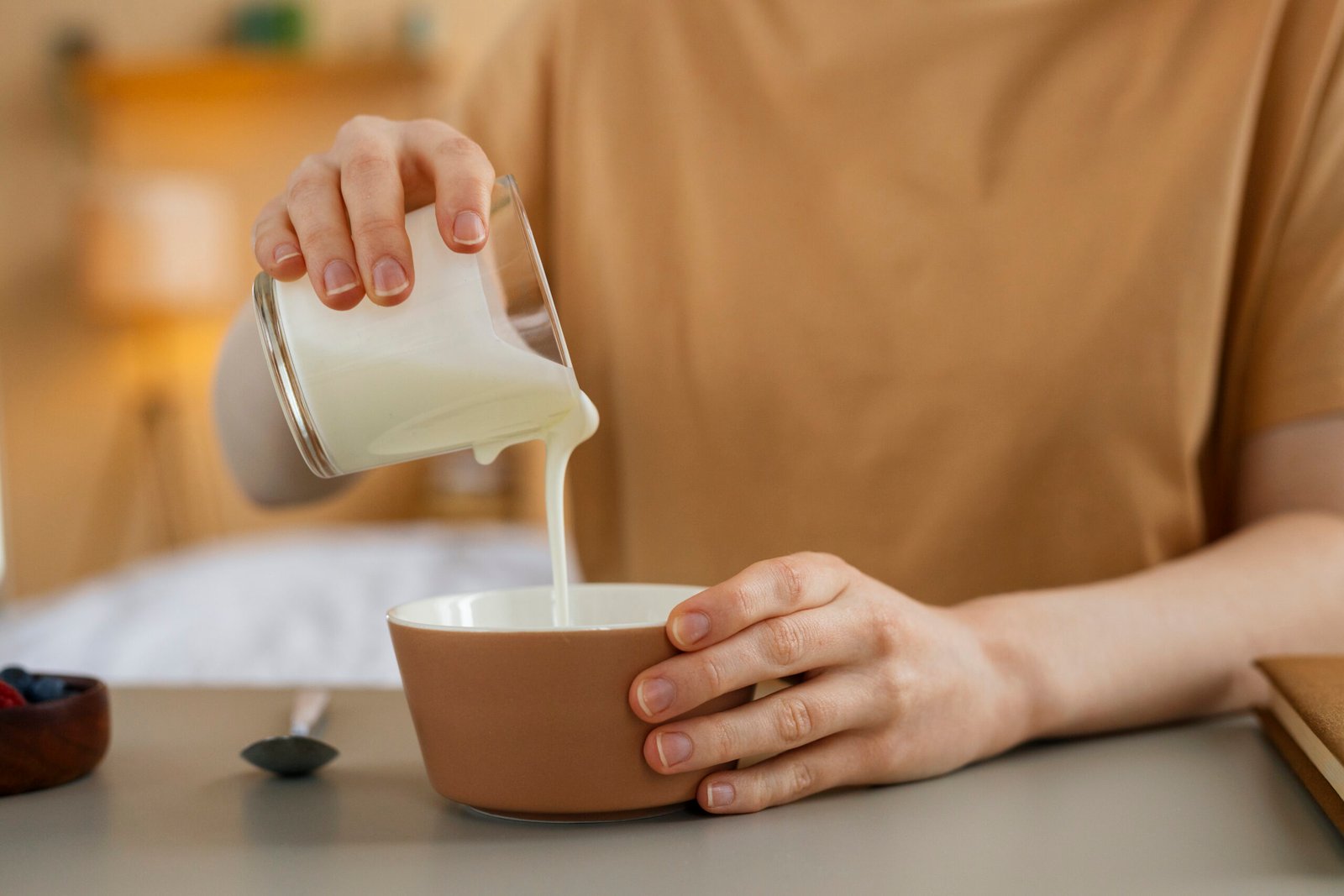
Evaporated milk is one of those pantry staples that quietly earns its place in kitchens around the world. It has a rich, creamy texture, a long shelf life, and countless culinary applications that make it a favorite among home cooks and professional chefs alike. Whether you’re preparing a comforting soup, a creamy dessert, or a flavorful sauce, evaporated milk can deliver satisfying results without the heaviness of cream.
If you’ve ever wondered how evaporated milk differs from condensed milk or whether it’s a healthy choice, this guide covers everything you need to know. From its nutritional value and benefits to storage tips and delicious recipes, you’ll discover why this versatile ingredient deserves a permanent spot in your pantry.
What Is Evaporated Milk?
Evaporated milk is regular cow’s milk that has had approximately 60% of its water removed through a gentle heating process. After evaporation, the milk is homogenized, sterilized, and sealed in cans, allowing it to remain shelf-stable for months without refrigeration until opened.
Unlike sweetened condensed milk, evaporated milk contains no added sugar. This makes it suitable for both sweet and savory dishes while preserving the natural flavor of milk.
Its concentrated consistency creates a richer mouthfeel than fresh milk, making it an excellent substitute in recipes that call for cream or whole milk.
How It Is Made
The manufacturing process begins with fresh milk, which is carefully heated to remove a significant portion of its water content. Once concentrated, the milk undergoes sterilization to eliminate harmful bacteria before being canned under sterile conditions.
This process extends the product’s shelf life while maintaining much of its nutritional value.
Evaporated Milk vs. Condensed Milk
Many shoppers confuse these two products because they are sold side by side.
The biggest difference is sugar. Condensed milk contains a large amount of added sugar, giving it a thick, syrup-like consistency. Evaporated milk, on the other hand, contains no added sugar and has a more neutral flavor suitable for everyday cooking.
Nutritional Value of Evaporated Milk
Evaporated milk is packed with several essential nutrients that support overall health. Since the water content has been reduced, many nutrients become more concentrated compared to regular milk.
A typical serving contains:
- Protein
- Calcium
- Vitamin D (in fortified varieties)
- Vitamin A
- Phosphorus
- Riboflavin
- Potassium
Protein helps build and repair muscles, while calcium and vitamin D contribute to strong bones and healthy teeth.
Although evaporated milk contains more calories than regular milk due to its concentration, it also delivers more nutrients per serving.
Is It Healthy?
For most people, evaporated milk can be part of a balanced diet. It offers quality protein, essential vitamins, and minerals while providing a creamy texture without relying entirely on heavy cream.
People watching their saturated fat intake may choose low-fat or fat-free evaporated milk, which provides many of the same nutritional benefits.
Benefits of Using Evaporated Milk
There are several reasons why evaporated milk remains popular despite the growing variety of dairy products available today.
Long Shelf Life
One of its greatest advantages is convenience. Unopened cans can often be stored for many months, making evaporated milk ideal for emergency food supplies or households that don’t regularly buy fresh dairy.
Rich and Creamy Texture
Evaporated milk enhances the consistency of soups, sauces, casseroles, and desserts without making them excessively heavy.
Many cooks use it instead of heavy cream to create smooth, satisfying dishes while using fewer calories.
Budget-Friendly
Compared to specialty dairy products, evaporated milk is often more affordable and versatile. A single can can replace several dairy ingredients in different recipes.
Excellent Source of Protein
Protein helps keep you feeling full longer and supports muscle maintenance. Evaporated milk provides a convenient way to increase protein intake in everyday meals.
Versatile Ingredient
From mashed potatoes to coffee, from pies to pasta sauces, evaporated milk adapts to an impressive variety of recipes.
Common Uses in Everyday Cooking
Evaporated milk shines in both sweet and savory cooking because of its balanced flavor.
Creamy Soups
Adding evaporated milk to tomato soup, mushroom soup, or chowders creates a silky texture without overwhelming the dish.
It blends smoothly while adding richness and body.
Pasta Sauces
Instead of using heavy cream, many people stir evaporated milk into Alfredo or cheese sauces.
The result is creamy, flavorful pasta with a lighter finish.
Baking
Evaporated milk contributes moisture and tenderness to cakes, muffins, breads, and cookies.
It also works beautifully in cheesecakes and custards.
Coffee and Tea
Some coffee lovers prefer evaporated milk because it creates a richer taste than regular milk while remaining less heavy than cream.
A small splash can transform an ordinary cup into a café-style drink.
Mashed Potatoes
Warm evaporated milk produces exceptionally fluffy mashed potatoes with a smooth texture and comforting richness.
Easy Recipes Using Evaporated Milk
One of the reasons I always keep a can in my pantry is how quickly it turns simple ingredients into comforting meals. On busy evenings, it has saved more than one dinner by helping create a creamy sauce without a trip to the grocery store.
Here are a few easy ideas.
Creamy Mac and Cheese
Ingredients:
- 2 cups cooked macaroni
- 1 can evaporated milk
- 2 cups shredded cheddar cheese
- Salt
- Black pepper
- Butter
Directions:
Heat the evaporated milk gently, stir in butter and cheese until smooth, then combine with cooked pasta. Season to taste and serve warm.
Homemade Potato Soup
Ingredients:
- Potatoes
- Onion
- Garlic
- Vegetable broth
- Evaporated milk
- Salt
- Pepper
Directions:
Cook the vegetables until tender, blend partially, then stir in evaporated milk before serving for a creamy finish.
Classic Pumpkin Pie
Evaporated milk is one of the key ingredients in traditional pumpkin pie. It creates a smooth, rich filling without becoming overly dense.
Creamy Hot Chocolate
Mix cocoa powder, sugar, evaporated milk, and regular milk over medium heat. The evaporated milk adds an indulgent texture that feels perfect during colder months.
Can Evaporated Milk Replace Other Dairy Products?
Yes, in many recipes it can.
You can mix equal parts evaporated milk and water to substitute regular milk in cooking.
It also works as a lighter alternative to heavy cream in sauces, casseroles, and soups.
For whipped cream, however, evaporated milk is generally not a suitable replacement because it lacks enough fat to hold stiff peaks.
Best Substitutions
Use evaporated milk for:
- Cream sauces
- Baked pasta
- Custards
- Coffee
- Casseroles
- Creamy desserts
It performs especially well when heated gently rather than boiled rapidly.
How to Store Evaporated Milk
Proper storage ensures freshness and food safety.
Unopened cans should be stored in a cool, dry place away from direct sunlight.
After opening, transfer any unused milk into an airtight container rather than leaving it in the can.
Refrigerate immediately and use it within three to five days for the best quality.
If the milk develops an unusual smell, discoloration, or lumps, discard it.
Things to Consider Before Buying
Not all evaporated milk products are exactly the same.
When shopping, check:
- Fat content
- Added vitamins
- Expiration date
- Ingredient list
- Sodium levels
If you have dietary restrictions, lactose-free alternatives may also be available in some markets.
Choosing a trusted brand helps ensure consistent quality and flavor.
Frequently Asked Questions
Is evaporate-milk the same as condensed milk?
No. Evaporated milk contains no added sugar, while condensed milk is heavily sweetened. They serve different purposes in cooking and baking.
Can I drink evaporated-milk directly?
Yes. Some people enjoy drinking it after mixing it with an equal amount of water. Others prefer it chilled or added to coffee and tea.
Is evaporated-milk healthier than heavy cream?
Generally, yes. It contains less fat and fewer calories than heavy cream while still providing protein, calcium, and essential vitamins.
Can evaporated-milk be frozen?
Yes. It can be frozen in an airtight container, although the texture may become slightly grainy after thawing. Stirring or blending usually restores its consistency.
How long does unopened evaporated-milk last?
Most unopened cans remain safe for several months or even longer when stored properly. Always check the expiration date before using the product.
Conclusion
Evaporated milk is far more than a backup dairy product sitting on a pantry shelf. Its creamy texture, nutritional value, affordability, and impressive versatility make it a reliable ingredient for countless recipes. Whether you’re preparing soups, sauces, desserts, or baked goods, it offers convenience without sacrificing flavor.
By understanding how to use, store, and substitute evaporated-milk, you can make the most of this kitchen essential and enjoy delicious meals with ease.
Stay in touch to get more updates & alerts on Technofeed! Thank you