
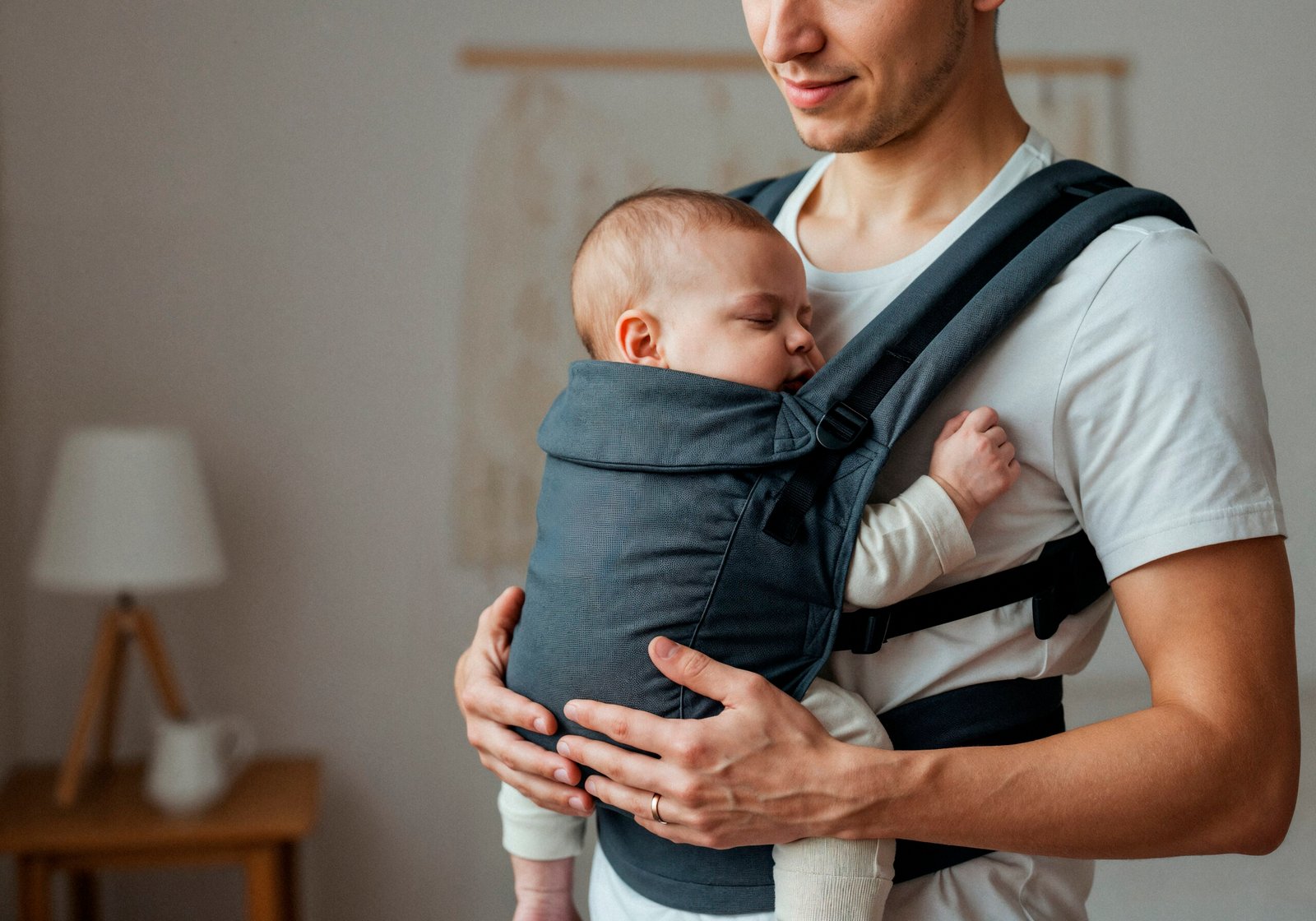
Parenting comes with countless daily responsibilities, and finding practical ways to care for a baby can make life significantly easier. One of the most useful parenting essentials today is the baby carrier. Designed to keep babies close while allowing parents to stay active, baby carriers have become a favorite among families worldwide.
Whether you’re shopping, traveling, taking a walk, or simply doing household chores, a quality baby carrier offers comfort, security, and freedom of movement. More than just a convenience, it helps strengthen the bond between parent and child while supporting healthy development during the early months and beyond.
Why Baby Carriers Have Become So Popular
Modern parenting often involves balancing childcare with work, errands, and everyday activities. A baby carrier allows parents to keep their little one close without constantly using a stroller or carrying them in their arms.
Unlike traditional methods of carrying a baby, carriers distribute weight more evenly across the shoulders, back, and hips. This thoughtful design reduces physical strain while keeping babies comfortable and secure.
Parents also appreciate the flexibility that carriers provide. Whether navigating crowded spaces, hiking on a trail, or calming a fussy infant, having both hands free can make a remarkable difference.
The Emotional Benefits of Keeping Your Baby Close
Babies naturally seek warmth, comfort, and familiar voices. Being carried allows them to hear their parent’s heartbeat, feel gentle movement, and remain close to comforting scents.
Many parents notice that their babies cry less when carried regularly. This closeness often helps newborns feel safe and relaxed, creating a peaceful environment for both parent and child.
While every baby has a unique personality, physical closeness frequently encourages stronger emotional connections during those important early months.
Different Types of Baby Carriers
Not every family has the same lifestyle, which is why baby carriers come in several styles. Choosing the right one depends on your baby’s age, your comfort preferences, and how you plan to use it.
Soft Structured Carriers
Soft structured carriers are among the most popular options today. They feature padded shoulder straps, adjustable waist belts, and secure buckles that distribute weight comfortably.
These carriers typically support newborns with inserts and continue working well into toddlerhood. They’re ideal for parents who want long-term versatility.
Wrap Carriers
Wrap carriers use long pieces of soft fabric wrapped around the body. They create a snug, custom fit that many newborns love.
Although learning different wrapping techniques requires some practice, many parents appreciate the close, cozy feeling these wraps provide.
Ring Slings
Ring slings are lightweight carriers made from fabric threaded through two sturdy rings.
They are excellent for quick trips, breastfeeding, and carrying babies on the hip. Since they’re compact, many parents keep one in the diaper bag for convenience.
Mei Tai Carriers
Mei Tai carriers combine features of wraps and structured carriers. They include a fabric body with long straps that tie around the waist and shoulders.
This style offers flexibility while maintaining a secure and supportive fit for both baby and caregiver.
Choosing the Right Baby Carrier
With countless options available, selecting the perfect baby carrier may feel overwhelming. Focusing on comfort, safety, and usability makes the decision easier.
Consider Your Baby’s Age
Newborns require carriers that provide excellent head and neck support. Older babies and toddlers benefit from carriers designed to distribute additional weight comfortably.
Always check the manufacturer’s recommended weight and age limits before purchasing.
Focus on Ergonomic Design
A well-designed carrier supports your baby’s hips in a natural “M” position, where the knees sit slightly higher than the hips.
This ergonomic position promotes healthy hip development and ensures your baby remains comfortable during longer carrying sessions.
Check Parent Comfort
Since parents may wear carriers for extended periods, comfort matters just as much as baby support.
Wide shoulder straps, padded waist belts, breathable materials, and adjustable settings reduce fatigue and improve overall experience.
Think About Your Daily Routine
A parent who frequently travels may prioritize lightweight, compact carriers, while someone who enjoys hiking might prefer structured carriers with extra lumbar support.
Matching the carrier to your lifestyle increases satisfaction over time.
Safety Tips Every Parent Should Follow
Safety should always come first when using any baby carrier.
Ensure your baby’s face remains visible and uncovered at all times. Their chin should never rest against their chest, as unrestricted airflow is essential.
Follow the widely recommended T.I.C.K.S. principles:
- Tight: The carrier should fit snugly.
- In View: Your baby’s face should always be visible.
- Close Enough to Kiss: You should easily kiss the top of your baby’s head.
- Keep Chin Off Chest: Maintain open airways.
- Supported Back: Your baby’s back should remain naturally supported.
Regularly inspect buckles, stitching, straps, and fabric for signs of wear before each use.
Benefits of Using Baby Carriers Every Day
Baby carriers offer advantages that go far beyond convenience.
Encourages Parent-Child Bonding
Daily babywearing creates frequent opportunities for eye contact, conversation, and physical closeness.
Many parents describe carrying their baby as one of the most rewarding parts of early parenthood because it encourages constant interaction throughout the day.
Supports Healthy Development
Babies experience gentle movement while being carried, which can stimulate balance and body awareness.
Hearing conversations, observing surroundings, and experiencing different environments also provide valuable sensory stimulation.
Makes Everyday Tasks Easier
Simple chores such as preparing meals, folding laundry, grocery shopping, or walking the dog become more manageable when both hands remain available.
Parents often discover they can accomplish more while keeping their baby calm and content.
Reduces the Need for Strollers
While strollers remain useful, they aren’t always practical.
Crowded shopping centers, airports, public transportation, hiking trails, and narrow sidewalks often become much easier to navigate with a baby carrier.
Common Mistakes Parents Should Avoid
Even experienced parents occasionally make small mistakes when using carriers.
One common issue is selecting a carrier that’s too large or too small. Proper adjustment ensures both comfort and safety.
Another mistake is wearing the carrier too loosely. A snug fit prevents unnecessary movement while providing better support.
Ignoring your baby’s growth is another concern. As babies gain weight and become more active, carrier adjustments should be made regularly.
Parents should also avoid dressing babies too warmly inside carriers. Since body heat transfers naturally, overheating can occur surprisingly quickly.
Caring for Your Baby Carrier
Proper maintenance helps extend the life of your baby carrier while keeping it clean and hygienic.
Always follow the manufacturer’s washing instructions. Many carriers can be machine washed using gentle detergent, while others require hand washing.
Allow the carrier to air dry whenever possible to preserve stitching, buckles, and fabric quality.
Store the carrier in a dry place away from direct sunlight to prevent fading and material deterioration.
Regular cleaning is especially important after outdoor adventures, feeding sessions, or travel.
How Baby Carriers Fit Different Lifestyles
One reason baby carriers continue growing in popularity is their versatility.
Urban parents appreciate how easily carriers help navigate busy sidewalks and public transport. Outdoor enthusiasts enjoy exploring parks and trails without bulky equipment.
Families with multiple children often rely on carriers to keep their youngest close while giving attention to older siblings.
Working parents also find carriers helpful during remote work, allowing them to soothe a baby while remaining productive during quieter moments.
There is no single “perfect” way to use a baby carrier. Each family develops routines that suit their lifestyle, making the carrier a valuable everyday companion rather than an occasional accessory.
Frequently Asked Questions
Are baby carriers safe for newborns?
Yes. Many baby carriers are specifically designed for newborns, provided they offer proper head, neck, and hip support. Always follow the manufacturer’s age and weight recommendations and position your baby safely.
How long can I carry my baby in a carrier?
There is no universal time limit. As long as both you and your baby remain comfortable and the carrier is properly adjusted, many parents use carriers for extended periods while taking regular breaks.
Can baby carriers help soothe crying babies?
Many babies become calmer when carried because they enjoy warmth, movement, and close physical contact. While every baby is different, babywearing often helps reduce fussiness and encourages relaxation.
When should I stop using a baby carrier?
Continue using your carrier until your child reaches the maximum weight or height recommended by the manufacturer. Many modern carriers comfortably support toddlers.
Which baby carrier is best for everyday use?
Soft structured carriers are generally considered the most versatile option because they combine comfort, adjustability, ergonomic support, and ease of use for both parents and babies.
Conclusion
Baby carriers have transformed the way modern families care for their little ones. They provide a practical balance of comfort, convenience, and emotional connection while allowing parents to stay active throughout the day. With the right fit and proper use, a baby carrier becomes more than just a parenting accessory—it becomes a trusted companion during countless everyday moments. Choosing a safe, ergonomic carrier can make parenting more enjoyable while helping babies feel secure, supported, and close to the people they love most.
Stay in touch to get more updates & alerts on Technofeed! Thank you