

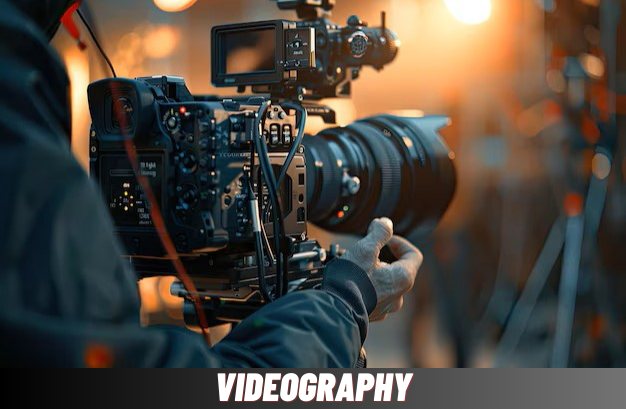
Videography is more than pressing the record button—it’s the art of telling stories through motion, light, and sound. From social media reels to documentaries and brand films, videographers shape how people see the world. This field blends technical knowledge with creativity, making it both challenging and deeply rewarding. Whether you’re curious or planning a career, understanding how videography works is the first step.
What Videography Really Is
Videography focuses on capturing moving images with purpose and emotion. Unlike casual recording, professional videography involves planning shots, managing lighting, and shaping narratives visually.
At its core, videography is about communication. A well-shot video can explain an idea faster than text, evoke emotion, and leave a lasting impression. That’s why it’s used everywhere—from weddings and events to marketing, education, and film production.
Core Skills Every Videographer Must Develop
Visual storytelling
Strong videographers think in sequences, not single shots. They know how scenes connect and how visuals guide the viewer’s attention naturally.
Understanding framing, movement, and pacing helps turn raw footage into a meaningful story instead of random clips.
Camera handling and settings
Knowing how to control shutter speed, aperture, ISO, and frame rates is essential. These settings affect motion blur, brightness, and overall image quality.
Confidence with a camera allows videographers to adapt quickly in changing environments, especially during live or outdoor shoots.
Lighting awareness
Lighting can elevate or ruin a video. Natural light, softboxes, and reflectors all shape how subjects appear on screen.
Good videographers don’t chase expensive lights—they learn how to shape whatever light is available to match the mood of the scene.
Sound recording basics
Poor audio can break an otherwise great video. Knowing how to use external microphones and monitor sound levels is a must.
Clean dialogue and balanced background audio make videos feel professional and engaging.
Editing and post-production
Editing is where stories come alive. Cutting footage, adjusting colors, syncing audio, and adding transitions all happen here.
A thoughtful edit can turn simple footage into a polished piece that feels intentional and emotionally strong.
Essential Equipment Used in Videography
Cameras and lenses
DSLRs, mirrorless cameras, and cinema cameras are common choices. Each serves different needs depending on budget and project scale.
Lenses matter just as much. Wide, standard, and telephoto lenses help create different visual perspectives.
Stabilization tools
Shaky footage distracts viewers. Tripods, gimbals, and sliders help maintain smooth and professional motion.
Stability tools are especially important for interviews, walking shots, and cinematic movements.
Audio gear
External microphones such as lavaliers, shotgun mics, and recorders capture clean sound.
Many beginners overlook audio gear, but experienced videographers know sound quality defines professionalism.
Lighting tools
LED panels, softboxes, and ring lights help control exposure and mood.
Portable lighting kits are especially useful for indoor shoots and low-light situations.
The Videography Workflow Explained
Pre-production planning
This stage involves understanding the goal, audience, and message. Storyboards, shot lists, and location scouting happen here.
Proper planning saves time and prevents costly mistakes during filming.
Filming and production
During filming, videographers execute the plan while staying flexible. Unexpected lighting or sound changes often require quick decisions.
Experience plays a big role here, especially when working under time pressure.
Post-production process
Editing, color grading, sound mixing, and exporting happen in this phase.
This is where the final tone of the video is shaped, making it suitable for its intended platform.
Different Types of Videography Careers
Event and wedding videography
This field focuses on capturing real moments as they happen. Timing and emotional awareness are critical.
Many videographers start here because demand is consistent and skill growth is fast.
Commercial and brand videography
Businesses rely on videos for advertising, promotions, and social media.
This area offers strong income potential and long-term client relationships.
Documentary and storytelling work
Documentary videography requires patience, research, and ethical storytelling.
It’s ideal for those who enjoy meaningful narratives and real-world impact.
Content creation and freelancing
Platforms like YouTube and Instagram have opened doors for independent creators.
Videographers can build personal brands while monetizing content globally.
How Videography Is Evolving Today
Modern videography is shaped by short-form content, mobile viewing, and fast editing styles. Drones, AI-assisted editing tools, and 4K recording have changed expectations.
Clients now value authenticity over perfection. Videos that feel real often perform better than overly polished productions.
Real Career Growth in Videography
Videography careers don’t follow a straight line. Many professionals start part-time, learn through mistakes, and grow through client feedback.
As skills improve, videographers can specialize, raise rates, or move into directing, cinematography, or production management. Consistency and learning matter more than expensive gear.
Common Mistakes Beginners Make
Many beginners focus too much on equipment and not enough on storytelling. Others ignore audio quality or rush the editing process.
Learning to critique your own work honestly is one of the fastest ways to grow.
Frequently Asked Questions
Is videography hard to learn for beginners?
Videography has a learning curve, but it’s very approachable. With practice, basic equipment, and consistent learning, beginners can improve quickly.
Do I need expensive equipment to start videography?
No. Many successful videographers started with entry-level cameras or even smartphones. Skill matters more than gear.
How long does it take to become a professional videographer?
It varies. Some people build professional skills within a year, while others take longer depending on practice and opportunities.
Is videography a good career in the future?
Yes. Video content demand continues to grow across marketing, education, and entertainment industries.
Can videography be self-taught?
Absolutely. Many professionals are self-taught through hands-on experience, tutorials, and real projects.
Conclusion
Videography is a powerful blend of creativity and technical skill. It allows people to capture stories, promote ideas, and create lasting impact through visuals. With dedication, continuous learning, and real-world practice, anyone can grow in this field. Whether pursued as a career or passion, videography offers endless opportunities for expression and growth.
Stay in touch to get more updates & alerts on Technofeed! Thank you


