

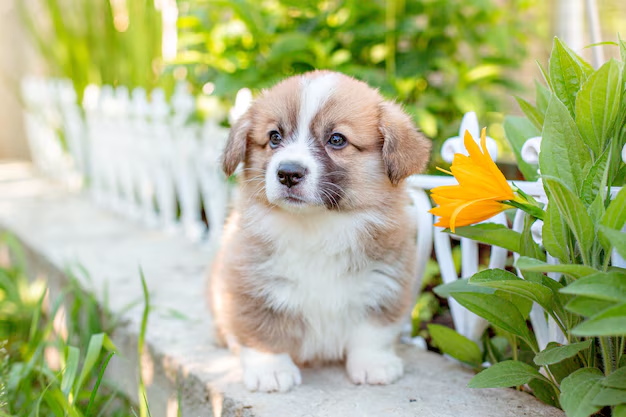
Puppies learn the world through movement, curiosity, and play, and that’s where Valplekar—meaning “puppy play routines”—truly shines. Every small moment of fun helps shape a dog’s confidence, social skills, and emotional health. Whether you’re raising your first puppy or adding another tail-wagger to the family, crafting the right playtime habits can make those early months incredibly rewarding. With the right mix of games, structure, and affection, Valplekar becomes more than fun—it becomes the foundation of a happy, well-adjusted dog.
Understanding Valplekar and Why Play Matters
The Role of Play in Puppy Development
Play is how puppies practice real-life behaviors in a safe way. A quick chase game or gentle tug can strengthen coordination, while puzzle toys sharpen their problem-solving skills. These moments teach boundaries and emotional regulation, especially for young pups that are still figuring out their place in the world.
Building Trust Through Daily Routines
Consistent play routines calm anxious puppies and build reliability. When a puppy knows what to expect—morning play, nap times, evening walks—they settle into a rhythm that reduces stress and boosts learning during training.
Essential Valplekar Activities for Daily Puppy Growth
Bond-Building Games
One of the simplest bonds you can build is through fetch. Even if your puppy doesn’t return the ball at first, the act of chasing releases energy and brings joy. Another helpful activity is hide-and-seek, where you disappear behind a door or furniture and encourage your puppy to find you with excited praise.
Physical Exercise for Healthy Growth
Short bursts of running, soft tug games, and gentle agility practices stimulate healthy muscle development. Even a small obstacle made from pillows or a blanket fort can give a puppy a confidence boost as they learn to climb, crawl, and explore.
Mental Enrichment Routines Puppies Love
Problem-Solving Toys
Puzzle feeders, treat-dispensing balls, or snuffle mats help puppies use their noses and brains together. These activities mimic natural scavenging behavior and keep a puppy occupied in a productive way.
Independent Play Without Overstimulation
Not all play requires your involvement. Puppies need to learn how to entertain themselves too. A safe chew toy, a soft rope, or a rubber ring can keep them busy while also preventing habits like chewing shoes or furniture.
Social Play and Interaction
Puppy-to-Puppy Interaction
If your pup is vaccinated, gentle socialization with other calm dogs teaches them manners. They learn how to pause, approach politely, and respond appropriately to growls or play bows. This exposure lowers aggression tendencies later in life.
Safe Human Socialization
Introduce your puppy to different people, ages, and clothing styles—like hats, long coats, or uniforms. Each experience, paired with calm reassurance, helps build a resilient and confident dog.
Structuring a Daily Valplekar Routine
Morning Energy Release
A short training session combined with a quick play round helps burn early-day energy. Puppies learn faster when mentally fresh, so morning is ideal for simple commands like sit, stay, and recall.
Afternoon Quiet Play
This period is best for puzzle toys or slow sniff walks. Puppies calm down naturally after lunchtime, so providing light activities supports their need for rest while preventing boredom.
Evening Engagement
Before bedtime, choose calmer games such as gentle tug or slow indoor fetch. Ending the day with controlled play helps your pup settle more easily into nighttime sleep.
Teaching Good Play Behavior
Bite Inhibition and Gentle Play
When a puppy bites too hard during play, a short pause in activity teaches boundaries. This mimics what littermates do naturally and helps your dog understand gentle play.
Encouraging Attention and Obedience
Playtime is a powerful training tool. Teaching your puppy to “sit” before throwing a toy builds discipline. Over time, they naturally wait for your cues before getting excited.
Troubleshooting Common Playtime Challenges
Overexcitement and Zoomies
Puppies often burst into fast circles when overstimulated. Instead of reacting, guide them gently into a calmer activity like sniffing or chewing on a toy.
Fear or Hesitation During Play
New puppies may appear shy around toys or loud movements. Give them time. Introduce new games slowly, celebrating even small attempts to engage.
Indoor vs. Outdoor Valplekar Sessions
Indoor Games for Rainy Days
Soft toy fetch, treat hunts, and obstacle courses made from household items are wonderful options when weather limits outdoor time. These activities keep the puppy mentally active without overwhelming your living space.
Outdoor Adventures for Exploration
Grass, dirt, leaves, street noises—each environment offers sensory experiences puppies need. Short supervised outdoor play allows them to build confidence and get comfortable with the world.
Valplekar for Different Puppy Personalities
For Shy Puppies
Start with gentle, low-noise toys and quiet interaction. Sit on the floor to appear less intimidating and use soft praise to encourage small steps.
For High-Energy Puppies
Rotate games frequently to keep them focused. Agility-style activities, running games, and tug help channel intense energy in a healthy way.
FAQs
What is the ideal duration for puppy playtime?
Short, frequent sessions work best—usually 10–15 minutes several times a day. Puppies have short attention spans and tire quickly, so small doses of activity are more effective than long, exhausting play.
How do I know if my puppy is overwhelmed during play?
Signs include turning away, licking their lips, hiding, or chewing on themselves. When you notice these cues, pause the game and let your puppy reset before continuing.
Are puzzle toys necessary for Valplekar routines?
While not required, puzzle toys are incredibly helpful. They strengthen problem-solving skills, reduce boredom, and offer mental exercise that complements physical play.
Can I mix training with playtime?
Yes, and it’s highly encouraged. Asking for simple commands like “sit” or “come” during play helps reinforce obedience without pressure. Puppies respond much better when training feels fun.
How early should I start structured play routines?
You can start as soon as your puppy arrives home. Adjust the intensity according to age, but gentle play and simple bonding activities are always appropriate.
Conclusion
Valplekar isn’t just about fun—it’s about building a foundation of trust, learning, and emotional balance for your growing puppy. With thoughtful routines, a mix of physical and mental activities, and a nurturing environment, you’ll raise a dog that’s confident, well-behaved, and connected to you on a deeper level. Each play session shapes a little more of who they’ll become, turning everyday fun into lifelong impact.
Stay in touch to get more updates & alerts on Technofeed! Thank you


