

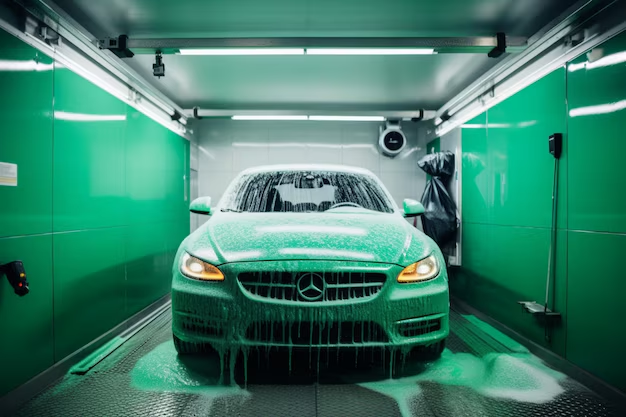
Keeping a car clean used to mean buckets, sponges, and long weekends in the driveway. Today, convenience has reshaped everything, including how we wash our vehicles. The touchless car wash has become a popular option for drivers who value speed, safety, and paint protection. But is it really effective, or just a high-tech shortcut? This guide breaks down everything you need to know before choosing a touchless wash.
What a Touchless Car Wash Really Is
A touchless car wash is an automated cleaning system that uses high-pressure water jets and specially formulated detergents instead of brushes or cloth strips. The entire process is designed to clean your car without any physical contact.
How it differs from traditional car washes
Traditional automatic car washes rely on rotating brushes and hanging cloths to scrub dirt away. While effective, these materials can trap grit and debris, increasing the risk of swirl marks and fine scratches. A touchless system avoids this risk by relying solely on water pressure and chemicals.
The technology behind contact-free cleaning
Most touchless systems use advanced spray arms that move around the vehicle, releasing heated water and cleaning agents at precise angles. Sensors detect the size and shape of your car to ensure even coverage from top to bottom.
Step-by-Step: How a Touchless Car Wash Works
Understanding the process helps set realistic expectations and explains why results may vary.
Pre-soak and chemical application
The wash begins with a pre-soak solution that loosens dirt, road salt, and grime. These detergents are stronger than household soaps and are designed to break down contaminants without scrubbing.
High-pressure rinse cycle
Next comes the core cleaning stage. Powerful jets blast away loosened dirt using pressurized water. This step does most of the heavy lifting and determines how clean your car will look afterward.
Spot-free rinse and drying
A final rinse uses filtered or deionized water to reduce water spots. Many systems finish with air dryers that push moisture off the surface, leaving the car ready to drive.
Key Benefits of Using a Touchless Car Wash
Drivers often choose touchless washes for reasons beyond convenience.
Reduced risk of paint damage
Without brushes or cloths, there’s far less chance of scratching your paint or damaging clear coat layers. This is especially valuable for newer vehicles or cars with custom paint jobs.
Time-saving and effortless
Most touchless washes take under ten minutes. You stay inside your car, avoid manual labor, and still leave with a visibly cleaner vehicle.
Ideal for frequent washing
If you wash your car often, touchless systems reduce cumulative wear on the paint, making them a safer long-term option.
Limitations You Should Be Aware Of
Despite the advantages, touchless car washes aren’t perfect.
Struggles with heavy grime
Caked-on mud, tree sap, and bird droppings may not fully come off without physical agitation. In these cases, manual washing or detailing may be necessary.
Strong chemicals and surface impact
To compensate for the lack of contact, touchless systems use stronger detergents. Over time, these can degrade wax or sealant layers if used excessively.
Touchless vs Soft-Touch vs Hand Wash
Choosing the right wash depends on your priorities.
Touchless car wash comparison
Touchless washes prioritize paint safety and speed. They are best for light to moderate dirt and regular maintenance.
Soft-touch systems explained
Soft-touch washes use cloth brushes that gently scrub the surface. They clean more thoroughly but carry a higher risk of micro-scratches.
Hand washing pros and cons
Hand washing offers the most control and detail but requires time, effort, and proper technique to avoid damage.
Is a Touchless Car Wash Safe for All Vehicles?
In most cases, yes—but there are exceptions.
New cars and luxury vehicles
Touchless washing is generally safe and recommended for new cars, luxury models, and vehicles with delicate finishes.
Older cars and worn paint
Cars with chipped paint or loose trim may experience water intrusion due to high pressure. Inspect vulnerable areas before using automated systems.
Cost and Availability Considerations
Pricing varies depending on location and features.
Typical pricing range
A basic touchless wash usually costs less than premium hand washes, making it affordable for routine use. Add-ons like undercarriage cleaning may increase the price.
Membership and subscription options
Many car wash chains offer monthly plans, which can significantly reduce per-wash costs for frequent users.
Environmental Impact and Water Usage
Modern touchless washes are more eco-conscious than many people assume.
Water recycling systems
Most commercial systems recycle a large percentage of water, reducing overall consumption compared to home washing.
Eco-friendly detergents
Many operators now use biodegradable cleaning agents to minimize environmental harm while maintaining cleaning power.
When a Touchless Car Wash Makes the Most Sense
Knowing when to choose touchless can save time and protect your vehicle.
Best situations for touchless cleaning
Touchless washes are ideal after light rain, highway driving, or routine weekly maintenance.
When to consider alternatives
For off-road driving, winter salt buildup, or stubborn stains, a hand wash or professional detail may be more effective.
FAQs
Is a touchless car wash better for paint than brushes?
Yes, touchless washes significantly reduce the risk of scratches and swirl marks because nothing physically touches the paint surface.
Can touchless car washes remove wax?
Frequent use can weaken wax layers over time due to strong detergents, but occasional use is generally safe.
Are touchless car washes safe for ceramic-coated cars?
Most ceramic coatings can handle touchless washing, but using a coating-safe wash program is recommended.
Why does my car still look dirty after a touchless wash?
Heavy grime, dried mud, or sticky residues often require manual agitation, which touchless systems don’t provide.
How often should I use a touchless car wash?
Once a week or biweekly is ideal for maintenance without overexposing your car to harsh chemicals.
Conclusion
A touchless car wash is a modern solution designed for convenience, safety, and efficiency. While it may not replace deep cleaning or professional detailing, it excels at routine maintenance and paint protection. For drivers who value speed and reduced risk of damage, it’s a smart and practical choice. Understanding its strengths and limitations helps you get the best results while keeping your vehicle looking its best.
Stay in touch to get more updates & alerts on Technofeed! Thank you


