

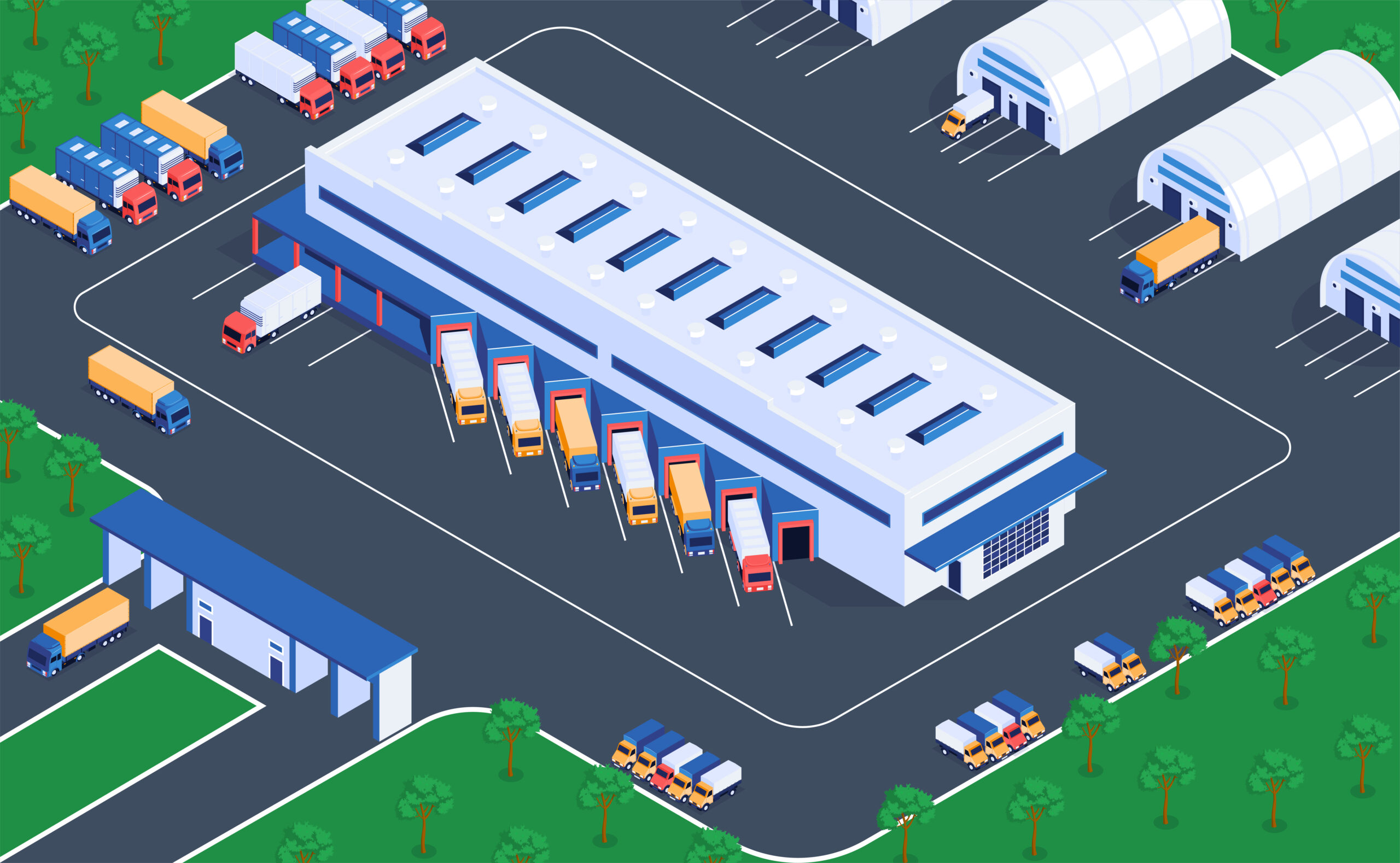
Behind every efficient supply chain, there is a well-organized freight handling system working quietly in the background. One critical but often overlooked component is the private freight terminal. Unlike public facilities, these terminals are designed for specific businesses or industries, offering speed, control, and flexibility. As global trade grows more complex, private freight terminals are becoming a strategic advantage rather than a luxury. This article explores what they are, how they work, and why they matter today.
Understanding Private Freight Terminals
What a Private Freight Terminal Really Is
A private freight terminal is a logistics facility owned or operated by a single company or a limited group of users. Its primary purpose is to handle freight—loading, unloading, storing, and transferring goods—without relying on public terminals. These terminals can be connected to rail, road, sea, or air transport, depending on the business need.
Because access is restricted, operations are often smoother and more predictable. Companies design these terminals around their cargo type, volume, and timelines, which removes many of the bottlenecks common in shared facilities.
How Private Terminals Differ from Public Ones
Public freight terminals serve multiple businesses, often across industries. While they are essential for general commerce, they can suffer from congestion, scheduling conflicts, and standardized processes. Private freight terminals, on the other hand, are customized environments.
In a private setup, handling equipment, storage layouts, and workflows are tailored. This customization leads to fewer delays, reduced handling errors, and better coordination between transport modes.
Core Functions of a Private Freight Terminal
Cargo Handling and Transfer
At the heart of any private freight terminal is cargo handling. This includes receiving goods, transferring them between trucks, trains, ships, or aircraft, and preparing them for onward transport. Because the terminal serves specific cargo types, handling procedures are refined and efficient.
For example, a terminal dedicated to automotive parts may focus on palletized goods, while one serving bulk commodities may rely on conveyor systems and silos.
Storage and Inventory Management
Storage is another major function. Private freight terminals often include short-term and long-term storage facilities designed to protect goods and maintain quality. Temperature-controlled warehouses, secure yards, and specialized racks are common features.
Inventory management systems are usually integrated directly with the company’s logistics software. This allows real-time tracking, faster decision-making, and better demand forecasting.
Operational Advantages of Private Freight Terminals
Greater Speed and Efficiency
One of the biggest advantages of a private freight terminal is speed. With no competition for dock space or equipment, cargo moves faster. Schedules are set internally, reducing waiting times and missed connections.
In industries where time-sensitive deliveries matter—such as manufacturing or retail—this efficiency can translate directly into cost savings and customer satisfaction.
Enhanced Control and Security
Private terminals give companies full control over their operations. Security protocols, access permissions, and handling standards are defined internally rather than imposed externally. This is especially important for high-value or sensitive cargo.
Having dedicated security teams and surveillance systems reduces theft, damage, and compliance risks, which are common concerns in shared facilities.
Industries That Rely on Private Freight Terminals
Manufacturing and Heavy Industry
Manufacturers often use private freight terminals to manage raw materials and finished goods. Steel plants, chemical producers, and automotive manufacturers benefit from terminals located close to production sites.
This proximity reduces transportation costs and ensures a steady flow of materials, minimizing production downtime.
Retail, E-commerce, and Distribution
Large retailers and e-commerce companies increasingly invest in private freight terminals to support fast fulfillment models. These terminals act as hubs where goods are received in bulk and quickly redistributed.
With tighter control over inbound and outbound logistics, retailers can respond faster to market demand and seasonal peaks.
Role of Technology in Modern Private Freight Terminals
Automation and Smart Equipment
Technology has transformed how private freight terminals operate. Automated cranes, guided vehicles, and smart conveyor systems reduce manual labor and improve accuracy. These systems also enhance safety by minimizing human exposure to heavy machinery.
Automation allows terminals to operate longer hours with consistent performance, even during labor shortages.
Data Integration and Real-Time Tracking
Modern private freight terminals rely heavily on data. Sensors, RFID tags, and GPS tracking provide real-time visibility into cargo movement. This data feeds into analytics platforms that help managers optimize routes, reduce dwell time, and predict maintenance needs.
In practical terms, this means fewer surprises and more proactive decision-making.
Cost Considerations and Investment Factors
Initial Setup and Infrastructure Costs
Building or acquiring a private freight terminal requires significant investment. Land acquisition, construction, equipment, and technology systems all add up. However, for high-volume shippers, these costs are often justified over time.
Companies typically conduct detailed cost-benefit analyses to compare long-term savings against upfront expenses.
Long-Term Financial Benefits
While the initial costs are high, private freight terminals can reduce per-unit handling costs in the long run. Savings come from improved efficiency, lower demurrage fees, and reduced reliance on third-party services.
Over time, these financial benefits can outweigh the initial investment, especially for businesses with stable or growing freight volumes.
Environmental and Sustainability Considerations
Reducing Emissions Through Efficiency
Private freight terminals can be designed with sustainability in mind. Efficient layouts reduce unnecessary movement, cutting fuel consumption and emissions. Direct rail connections, for instance, can significantly lower a company’s carbon footprint compared to road-only transport.
Sustainability is no longer just a regulatory concern—it is also a competitive advantage.
Green Infrastructure and Practices
Many modern terminals incorporate renewable energy, such as solar panels, and use energy-efficient lighting and equipment. Waste management and water recycling systems are also becoming standard features.
These practices not only benefit the environment but also improve corporate reputation and compliance with global standards.
Challenges and Limitations of Private Freight Terminals
Limited Flexibility for Smaller Businesses
Private freight terminals are not suitable for everyone. Smaller businesses may not have the volume or capital to justify a dedicated facility. In such cases, public or shared terminals remain the practical choice.
The key is aligning terminal strategy with business scale and growth plans.
Regulatory and Compliance Requirements
Operating a private freight terminal involves navigating complex regulations related to safety, customs, and environmental standards. Compliance requires expertise and ongoing investment.
Companies must stay informed and proactive to avoid disruptions or penalties.
The Future of Private Freight Terminals
Growing Demand in a Globalized Economy
As supply chains become more global and specialized, the demand for private freight terminals is expected to grow. Businesses want greater control over logistics to manage risks and improve resilience.
Private terminals offer a way to insulate operations from external disruptions.
Innovation and Strategic Integration
The future will likely see private freight terminals integrated more closely with digital supply chain platforms. Artificial intelligence, predictive analytics, and advanced automation will further enhance performance.
These terminals will evolve from simple handling points into strategic assets that drive business growth.
Frequently Asked Questions
What is the main purpose of a private freight terminal?
The main purpose is to provide a dedicated facility for handling, storing, and transferring cargo for a specific company or group. This setup improves efficiency, control, and reliability.
How does a private freight terminal improve supply chain efficiency?
By eliminating congestion and shared scheduling, private terminals allow faster cargo movement, better coordination, and reduced delays across the supply chain.
Are private freight terminals only for large companies?
They are most common among large or high-volume businesses, but mid-sized companies may also invest if their logistics needs justify the cost.
What transport modes can connect to a private freight terminal?
Private freight terminals can connect to road, rail, sea, or air transport, depending on location and business requirements.
Do private freight terminals support sustainable logistics?
Yes, many are designed with energy-efficient systems, reduced emissions, and environmentally responsible practices to support sustainability goals.
Conclusion
Private freight terminals play a crucial role in modern logistics by offering speed, control, and customization that public facilities cannot always provide. While they require significant investment, the long-term operational and financial benefits make them attractive for many industries. As supply chains evolve, these terminals are becoming strategic tools rather than optional assets. For businesses seeking reliability and efficiency, a private freight terminal can be a game-changing solution.
Stay in touch to get more updates & alerts on Technofeed! Thank you


