

Every homeowner, DIY enthusiast, or aspiring handyman needs a reliable starter toolbox. Whether you’re tackling small household repairs or beginning larger projects, having the right tools on hand can save time, money, and frustration. Building a starter toolbox isn’t about buying every tool available—it’s about selecting versatile, high-quality essentials that will serve you well for years to come. This guide will walk you through the key components of a perfect starter toolbox and how to organize them effectively.
Start with the Basics
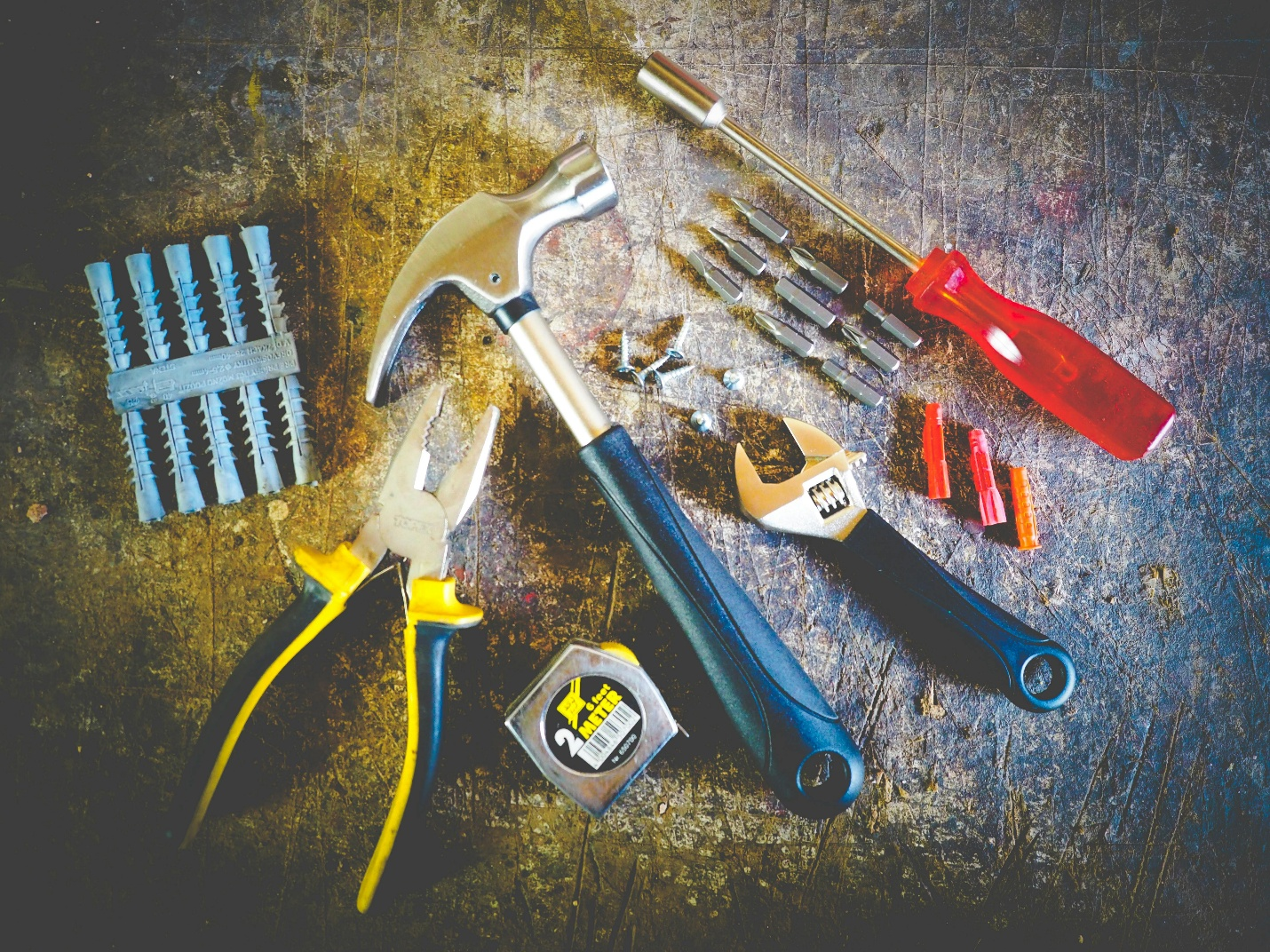
The foundation of any toolbox begins with the essentials. A good starter set should include a hammer, screwdrivers (both flathead and Phillips), a tape measure, and an adjustable wrench. These tools cover a wide range of everyday tasks, from hanging pictures to tightening loose bolts. Opt for durable, ergonomic designs that can withstand frequent use. Investing in quality upfront ensures your tools won’t fail when you need them most.
Add Versatile Tools for Multiple Tasks
Beyond the basics, consider tools that offer flexibility. A set of pliers, including needle-nose and slip-joint varieties, can handle gripping, bending, and cutting tasks. A utility knife is another must-have for cutting materials like cardboard, rope, or plastic. For those planning light carpentry or assembly work, a cordless drill with a selection of bits adds convenience and efficiency. These versatile tools expand your capabilities without overwhelming your toolbox.
Organize for Accessibility
A well-organized toolbox makes every project easier. Start by choosing a sturdy container with compartments for different tool types. For those who work on the go or need extra storage, a truck bed tool box can be an excellent solution. It provides ample space for larger tools and keeps everything secure during transport. Whether you opt for a portable toolbox or a mounted storage option, organization is key to saving time and reducing frustration.
Include Safety Gear
Safety should never be an afterthought. Your starter toolbox should include basic protective gear such as safety glasses, work gloves, and a dust mask. These items protect you from common hazards like flying debris, sharp edges, and dust particles. Keeping safety equipment in your toolbox ensures it’s always within reach when you need it, reinforcing good habits from the start.
Plan for Future Expansion
As your skills and projects grow, so will your need for specialized tools. Leave room in your toolbox for future additions like a level, socket set, or stud finder. Planning ahead prevents clutter and makes it easier to upgrade your collection over time. A starter toolbox is just the beginning—it’s a foundation you can build on as your confidence and experience increase.
Conclusion
Building the perfect starter toolbox is about striking a balance between essential tools, organization, and safety. By starting with the basics, adding versatile options, and planning for future growth, you’ll create a toolkit that supports a wide range of projects. With the right tools at your fingertips, you’ll be ready to tackle repairs and improvements with confidence and ease.
Stay in touch to get more updates & alerts on Technofeed! Thank you


