

When you’re stranded on the side of the road, it’s easy to take for granted the fleet of vehicles that comes to your rescue. Roadside service trucks are not just tow trucks; they are specialized vehicles designed to handle a variety of emergencies, from flat tires to heavy vehicle breakdowns. Understanding the different types of roadside service trucks can give you insight into how these unsung heroes keep our roads safe and moving.
1. Tow Trucks
Tow trucks are perhaps the most recognizable roadside service vehicles. Their primary function is to transport disabled or illegally parked vehicles to a repair shop or impound lot. Tow trucks come in several configurations:
- Hook and Chain Tow Trucks: These were common in the past but are less used today. They use chains to lift the vehicle by its axles. While effective, they can cause damage to modern vehicles.
- Wheel-Lift Tow Trucks: These trucks lift the vehicle by its wheels using a metal yoke. They are gentler than hook and chain trucks and are widely used today.
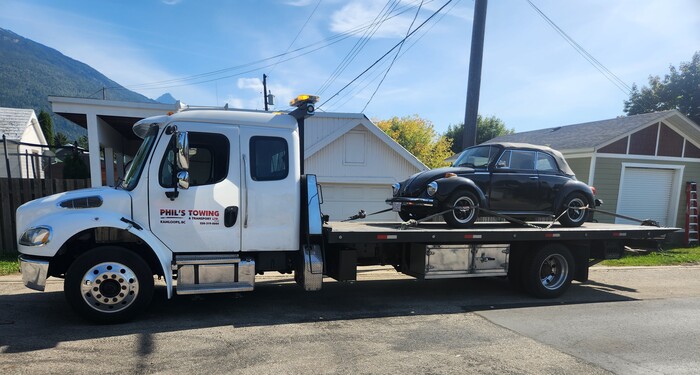
- Flatbed Tow Trucks: Ideal for long-distance towing or transporting damaged vehicles, flatbeds allow the entire vehicle to be loaded onto a flat surface, minimizing wear and tear.
2. Heavy-Duty Recovery Trucks
For commercial vehicles such as buses, trucks, and RVs, heavy-duty recovery trucks are essential. These trucks have powerful winches and hydraulic lifts that can recover large vehicles that are stuck, overturned, or severely damaged. Many are equipped with advanced stabilization systems and extra towing equipment to handle the sheer weight and complexity of heavy-duty rescues.
3. Service Trucks (Mobile Mechanics)
Service trucks, often called mobile mechanics, carry tools and equipment to perform on-the-spot repairs. They can handle a variety of issues such as battery replacement, brake repairs, or minor engine work. These trucks are equipped with storage compartments for tools, spare parts, and fluids. Some are even fitted with air compressors, such as DC continuous duty air compressors, to handle pneumatic tools or inflate tires efficiently. Mobile service trucks play a crucial role in getting drivers back on the road quickly without needing to tow their vehicles.
4. Flatbed Car Carriers
Flatbed carriers are specialized for transporting multiple vehicles at once. While they are commonly used by dealerships and transport companies, they also serve roadside assistance purposes, particularly when multiple vehicles need to be moved from accident sites. They ensure vehicles are transported safely and efficiently, without causing additional damage.
5. Specialized Rescue Trucks
Certain emergencies require more than a tow or minor repair. Rescue trucks are designed for situations like vehicle extrications, accidents in difficult terrains, or incidents involving hazardous materials. They are equipped with hydraulic rescue tools, cutting equipment, winches, and sometimes medical supplies. Fire departments or dedicated rescue services often use these trucks to manage complex scenarios safely and efficiently.
6. Fuel and Tire Service Trucks
Running out of gas or dealing with a flat tire is more common than a major breakdown, but it still requires immediate assistance. Fuel service trucks can deliver gasoline, diesel, or even electric charging services directly to the stranded vehicle. Tire service trucks are equipped with spare tires, tire-changing equipment, and compressors to handle roadside tire repairs quickly.
7. Wrecker Trucks with Rotators
Rotator trucks are a specialized type of wrecker truck designed for lifting and righting overturned vehicles. They are essential in situations where standard tow trucks cannot manage the weight or angle of a vehicle. With a rotating boom and high-capacity winches, these trucks can recover vehicles safely in extreme conditions such as highway accidents or construction zones.
In Conclusion
The next time you see a roadside service truck, remember that it’s more than just a tow truck—it’s a part of a carefully organized fleet designed to keep roads safe and traffic flowing. From flatbed carriers and mobile mechanics to heavy-duty recovery and rescue trucks, each type serves a specific purpose. Whether it’s a simple tire change or a complex vehicle recovery, roadside service trucks are equipped to handle it all, often working around the clock to provide help exactly when it’s needed. The integration of tools like DC continuous duty air compressors in service trucks shows how technology continues to improve efficiency and effectiveness in the roadside assistance industry.
Understanding these trucks helps us appreciate the skill and equipment behind the scenes, ensuring that drivers can get back on the road safely and quickly, no matter what type of roadside emergency arises.


