

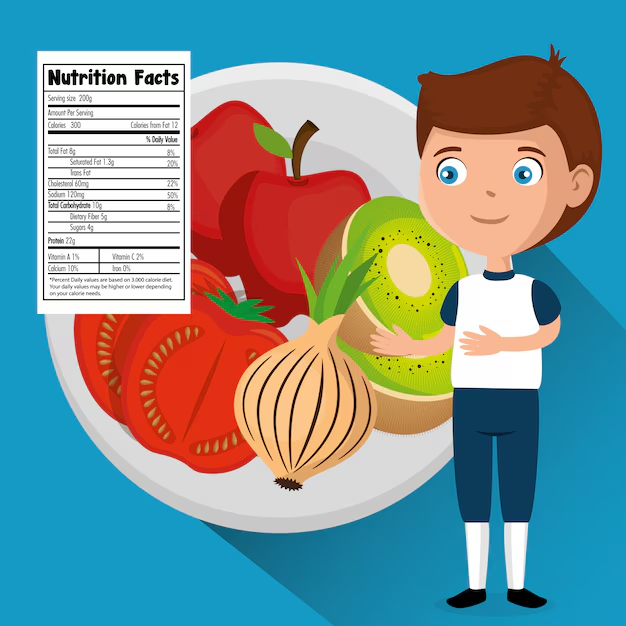
Food nutrition and hygiene form the foundation of a healthy life, yet many people overlook the basics that could protect them from long-term health issues. Understanding what makes food nutritious and how to maintain hygiene can drastically improve lifestyle and immunity. In Hindi-speaking regions, simple dietary choices and everyday cleanliness habits often shape overall wellness. This article explains food nutrition and hygiene in a clear, practical way, offering insights that anyone can apply to their daily routine.
Importance of Food Nutrition in Daily Life
Food nutrition is about providing the body with essential nutrients it needs to function well. These nutrients fuel energy, support growth, and maintain immunity. A balanced diet becomes especially important in communities where nutrient deficiencies are common due to poor food choices or lack of awareness.
Balanced Diet and Its Role
A balanced diet includes a mix of carbohydrates, proteins, fats, vitamins, and minerals. For example, in many Hindi-speaking households, meals consisting of chapati, dal, and seasonal vegetables naturally provide essential nutrients. When all components are present in the right quantity, the body receives steady energy and better digestion.
Daily Nutrient Requirements
Every individual’s nutrient needs differ based on age, gender, and activity level. Children need high protein for growth, while adults require fiber, calcium, and healthy fats. Small changes—like adding fruits to breakfast or consuming nuts in the evening—can help meet daily nutrient goals.
Understanding Macro and Micronutrients
Nutrition is divided into two broad categories: macronutrients and micronutrients. Both are equally important and directly impact health.
Macronutrients: Energy Providers
Macronutrients include carbohydrates, proteins, and fats. Carbohydrates energize the body, proteins support muscle repair, and fats help absorb vitamins. Traditional Indian foods—such as rice, lentils, paneer, and ghee—offer these nutrients naturally when consumed in moderation.
Micronutrients: Hidden Health Boosters
Micronutrients include vitamins and minerals. Even though the body needs them in smaller amounts, deficiencies can lead to serious problems. Vitamin D from sunlight, iron from spinach, and calcium from dairy are simple examples of how daily habits improve micronutrient intake.
Significance of Food Hygiene
Food hygiene ensures that the food we eat is safe, clean, and free from harmful germs. Poor hygiene can lead to food poisoning, stomach infections, and long-term digestive issues, especially in places with warm climates like most Hindi-speaking regions.
Clean Handling and Cooking
Washing hands before cooking, cleaning vegetables thoroughly, and cooking meat properly can prevent contamination. Using separate cutting boards for raw meat and vegetables helps avoid bacteria transfer.
Safe Food Storage
Leftover food should always be stored in airtight containers and refrigerated promptly. Stale or improperly stored food becomes a breeding ground for harmful microorganisms. A simple rule many families follow is: “If in doubt, throw it out.”
Healthy Eating Habits among Hindi-Speaking Communities
Cultural food habits often influence nutrition. Many households prepare meals with fresh ingredients, but sometimes excessive oil or sugar affects health negatively.
Traditional Foods with Nutritional Benefits
Dishes like khichdi, daliya, rajma-chawal, and mixed vegetable sabzi are excellent sources of nutrients. They combine fiber, protein, and essential vitamins while remaining light on the stomach.
Modern Changes and Their Impact
Fast food and packaged snacks have become more common, especially among young people. These foods lack nutrients and contribute to obesity and lifestyle diseases. Introducing healthy alternatives—like roasted snacks, homemade soups, or fruit bowls—can help maintain balance.
How to Maintain Personal and Kitchen Hygiene
Personal hygiene and kitchen cleanliness work together to protect the body from infections. Simple daily habits can create a safe environment for healthy meals.
Personal Hygiene Practices
Washing hands with soap, keeping nails trimmed, and wearing clean clothes while cooking are basic steps. Many health experts recommend washing hands for at least 20 seconds to remove most germs.
Kitchen Sanitation Tips
Regular cleaning of countertops, proper waste disposal, and keeping utensils dry reduce bacteria growth. Using filtered water for drinking and cooking further enhances safety.
Impact of Nutrition and Hygiene on Overall Health
Good nutrition and proper hygiene complement each other. When the body receives clean, nutrient-rich food, immunity improves, and long-term diseases become less likely.
Boosting Immunity Naturally
Fruits like oranges, guava, and amla contain vitamin C, which strengthens immunity. Combined with hygienic food practices, the body gets a better chance to fight infections.
Preventing Lifestyle Diseases
Healthy eating habits can prevent conditions like diabetes, high blood pressure, and obesity. Hygiene prevents bacterial infections that can weaken the body over time.
FAQs
1. Why is food nutrition important for daily health?
Food nutrition supports body growth, energy levels, immunity, and overall functioning. Without essential nutrients, the body becomes prone to fatigue, illness, and deficiencies.
2. What are the most important hygiene practices in the kitchen?
Washing hands, cleaning utensils, cooking food properly, using clean water, and storing leftovers safely are some of the most essential practices.
3. How can I improve my diet without making major changes?
Simple steps like replacing fried snacks with fruits, adding vegetables to every meal, drinking clean water, and reducing sugar intake can improve overall nutrition.
4. What foods help boost immunity naturally?
Foods rich in vitamin C (lemon, oranges, amla), protein sources (dal, eggs), and antioxidants (green vegetables, nuts) help strengthen immunity.
5. How does poor hygiene affect health?
Poor hygiene exposes the body to harmful bacteria and viruses, leading to stomach infections, food poisoning, diarrhea, and long-term digestive problems.
Conclusion
Understanding food nutrition and hygiene is essential for maintaining a healthy, balanced, and disease-free lifestyle. Small daily habits—like eating fresh foods, washing hands, and storing food safely—can make a significant difference. When nutrition and hygiene come together, they create a strong foundation for lifelong wellness. Prioritizing these practices ensures healthier families and stronger communities.
Stay in touch to get more updates & alerts on Technofeed! Thank you


