

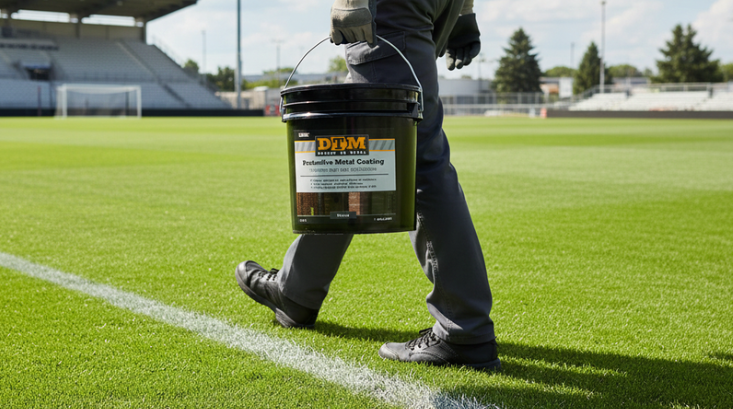
Industrial facilities are under growing pressure to cut emissions while keeping structures protected. One effective step is switching to direct-to-metal paint that delivers corrosion resistance without relying on heavy solvent loading. Low VOC formulations are designed to release fewer volatile compounds during application and curing, which supports cleaner air around job sites and in surrounding communities. At the same time, these coatings still meet the performance demands of metal assets exposed to weather, chemicals, and abrasion.
Why VOC reduction matters for metal coating projects
VOC emissions from traditional solvent-rich coatings contribute to smog formation and poor air quality. Environmental regulators in many regions now limit allowable VOC levels in industrial coatings, pushing asset owners to adopt cleaner technologies where possible.
For metal protection, VOC reduction is more than a compliance checkbox. It is a direct way to lower the environmental footprint of maintenance cycles that repeat over decades. Every repainting event releases some amount of solvent vapor, so choosing low-VOC products compounds the benefits over the service life of a facility.
How low-VOC direct-to-metal systems improve sustainability
Direct-to-metal technology already reduces material use by combining primer and topcoat functions into a single layer. When that layer is also low VOC, the environmental gains stack up.
Cleaner air during application
Low VOC coatings contain less solvent to evaporate into the atmosphere. That means fewer fumes drifting across a work zone and less contribution to ozone-forming reactions. In practical terms, crews can operate with a smaller emissions plume and reduced odor impact on nearby occupied areas. Waterborne and high solids systems are key pathways to this improvement and are increasingly used for metal substrates.
Lower waste and fewer repaints
A major hidden environmental cost is rework. When coatings fail early, the surface must be blasted again, waste must be handled, and more product must be applied. Direct-to-metal coatings are engineered to bond tightly to steel and other metals, slowing rust formation and extending repaint intervals. Strong corrosion defense reduces the frequency of full recoats and limits the total volume of coating manufactured, transported, and applied over time.
For long-term performance, rust prevention care of spray tips, filters, and pressure settings keeps coverage even and prevents premature failure from application defects.
Safer projects in sensitive environments
Many facilities operate near schools, waterways, or residential areas where emissions are closely watched. Low VOC systems help owners complete metal protection work with less risk of exceeding local air quality thresholds. They also support better indoor air quality in enclosed structures such as warehouses or transit hubs, where ventilation may be limited. Broad research on industrial coatings shows that shifting away from solvent-heavy options reduces overall environmental impact while maintaining durability targets.
Performance benefits that reinforce environmental value
Sustainability only works when coatings perform. Low VOC direct-to-metal products are now formulated to resist abrasion, moisture ingress, and chemical exposure as effectively as older solvent-borne lines. Better film integrity blocks oxygen and water from reaching the substrate, which is the core trigger for corrosion.
This matters environmentally because a long-lasting coating avoids another repaint event. Longer intervals between maintenance shutdowns also reduce energy use and operational waste tied to scaffolding, containment, and surface prep.
Conclusion
Low-VOC direct-to-metal coatings deliver measurable environmental benefits through reduced solvent emissions, longer service life, and fewer repaint cycles. They help facilities meet air-quality standards while still providing the metal protection needed in harsh industrial conditions. By prioritizing high-performance, low-emission systems and applying them with professional controls, asset owners can protect infrastructure and the environment simultaneously.
Stay in touch to get more updates & alerts on Technofeed! Thank you


