

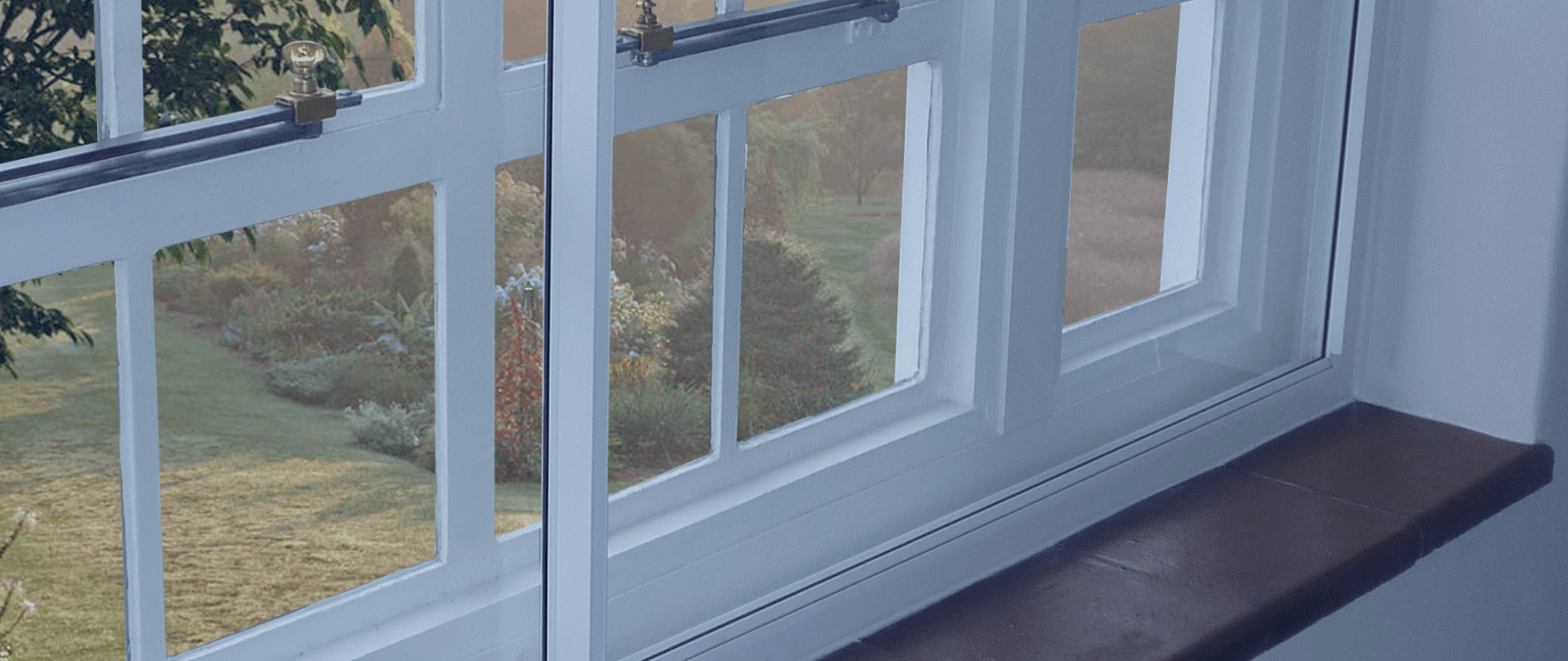
What should businesses consider when choosing a commercial secondary glazing system?
Focus on your building layout, acoustic targets, energy goals, security needs, and any heritage restrictions, then select a configuration that can be installed internally with minimal disruption so operations can continue.
Why secondary glazing helps commercial buildings
Offices, hotels, schools, and heritage sites often struggle with noise, heat loss, and planning constraints that preclude full window replacement. Commercial Secondary glazing adds an internal barrier that improves thermal performance, enhances comfort, and reduces running costs while leaving the exterior unchanged. Installation is tidy and usually quick, so most sites stay open during works.
Choose the correct configuration for the space
Match the system to the opening and the room’s intended use. Hinged or lift-out units suit access to existing sashes for cleaning. Sliding systems support frequent ventilation. Fixed panes work where access is rare, and performance is the priority. Large, tall or unusual shapes can be made to measure so performance and appearance both land where you need them.
Set clear acoustic and energy targets
Sites near roads, rail or nightlife often need strong noise control. Well-specified secondary glazing can reduce sound transmission by roughly 50 to 65 per cent, depending on design and air gap. Thermal gains come from better insulation and draught management, helping meet comfort and sustainability targets. Agree on the numbers up front so the design can hit them.
Work with heritage and planning, not against it
Listed buildings and conservation zones usually require the external facade to remain unchanged. Secondary glazing preserves original windows and sightlines while adding modern performance from the inside. Engage early if approvals are needed and bring samples or visuals to speed consent.
Security and day-to-day use
Where security is critical, specify laminated glass, secure fixings, and reliable locks to create a second protective layer. Plan safe access, cleaning, and ventilation to ensure the system supports daily operations. Because the work is internal, fitting is staged with minimal disruption to staff and customers.
Commercial secondary glazing checklist
- Building type and room use confirmed, including access needs
- Noise and thermal targets agreed with an acceptable air gap
- Heritage or planning constraints documented with visuals for approval
- Configuration selected: hinged, sliding, lift-out or fixed
- Security features set, laminated glass and locking where required
- Installation plan staged to keep the site operational, with aftercare and maintenance noted
FAQs
- How effective is secondary glazing for noise in commercial buildings?
When designed well, it can cut sound by about 50 to 65 per cent, which is valuable near traffic, rail or busy centres.
- Will installation disrupt our business?
Work is performed from the inside, is clean and planned in stages, so most sites continue trading during the upgrade.
- Is it suitable for listed or heritage commercial properties?
Yes. It preserves the exterior while adding modern insulation and improved acoustic performance.
- Which configuration should we choose?
Hinged or lift-out for occasional access, sliding for regular ventilation, and fixed where maximum performance is needed. Bespoke shapes are available.
- Can it improve security as well as comfort?
Yes. Laminated glass, secure fixings, and locks provide a reliable second barrier without altering the building’s exterior.
Call to action
Ready to improve comfort, cut noise and keep your facade untouched? Talk to HC Joinery via our contact page: https://www.hcjoinery.co.uk/contact-us/


