

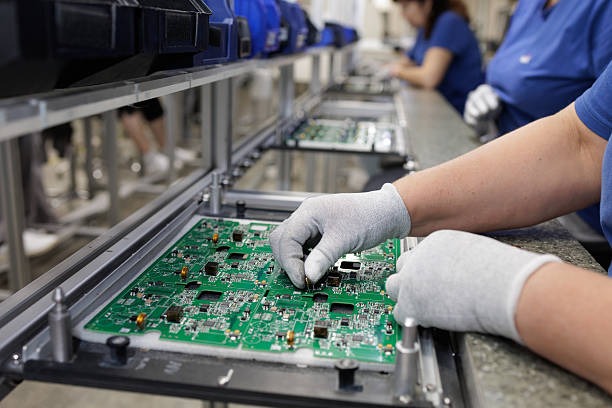
The acquisition of semiconductor component parts is indispensable part of today’s electronics industry. These parts are the foundation of everything from consumer gadgets to complex machinery and even a slight quality or authenticity lapse could lead to disaster. Burgeoning manufacturers and their sourcing teams (and the associated risks: counterfeit parts, delayed shipments, and mishandling that can bring production to a halt and jeopardize product reliability) now have a source they can trust.
Mitigating these risks entails a regimented process that includes approved vendor lists, testing, paperwork, proper storage, and handling. Process teams have the potential to leverage best practices to have confidence in the authenticity, reliability, and regulatory compliance of semiconductor component parts that contribute to both the operational efficiency and the quality of the end product.
Using Approved Vendor Lists
One of the most effective strategies for minimizing risk is sourcing from an approved vendor list (AVL). An AVL consists of suppliers who have been thoroughly vetted for quality, reliability, and compliance. Teams that rely on an approved vendor list are less likely to encounter counterfeit or substandard semiconductor component parts.
Vetting suppliers means evaluating their certifications, reputation, and past performance. Vendors on the AVL are source verified distributors, able to deliver full traceability and authenticity. The list is also regularly revised according to tuning of approval results and monitoring, which helps ensure procurement decisions will not be influenced by cost alone, but will be motivated by safety and quality. Working to an AVL, teams simplify procurement and lessen the risk of bringing defective or unproven components into their production lines.
Testing and Verification
Even when sourcing from trusted vendors, additional testing can provide a safety net against counterfeit or faulty components. Teams should implement verification procedures to confirm that semiconductor component parts meet required specifications before they are integrated into assemblies.
Testing can include visual inspections, electrical testing, and comparison with known-good reference samples. Advanced techniques such as X-ray inspection or decapsulation can identify hidden defects in high-risk components. By integrating testing into the procurement workflow, teams detect issues early, reducing the risk of costly rework or recalls. This layer of verification complements vendor credibility and strengthens overall supply chain integrity.
Documentation and Paperwork
Traceability and documentation are critical in the risk management of semiconductor sourcing. Tight paperwork allows each part to be traced to its manufacturer and serves as proof of compliance with industry standards and regulations. This is especially true in industries like aerospace, medical devices, and automotive, where regulatory compliance is required by law.
Teams may want to ask for certificates of authenticity, lot numbers, dates of manufacture, and test reports for all the semiconductor components. An established documentation system will facilitate audits, warranty claims, and regulatory inspections. Good record-keeping not only reduces risk but also makes it easier to hold everyone in the supply chain accountable, if there’s a problem – so you can see how they performed and find out if any batches have problems.
Storage and Handling Practices
Even verified and tested semiconductor component parts can be compromised if not stored and handled correctly. Components are sensitive to static, humidity, temperature, and physical damage. Proper storage protocols, including anti-static packaging, controlled humidity environments, and temperature regulation, are essential for preserving component integrity.
Handling procedures should include training staff on electrostatic discharge (ESD) precautions, correct transport methods, and careful inventory management. By following best practices in storage and handling, teams reduce the risk of component degradation, contamination, or damage, ensuring that parts remain in optimal condition until they are used in production.
Supplier Communication and Risk Mitigation
In addition to these operational practices, effective communication with suppliers helps mitigate risk. Teams should clarify expectations regarding lead times, quality standards, and documentation requirements before placing orders for semiconductor component parts. Regular audits, supplier performance reviews, and contingency planning can help address potential disruptions proactively.
Building strong relationships with reputable distributors also allows teams to access technical support, identify alternative components when shortages arise, and respond quickly to supply chain challenges. This proactive approach ensures that potential risks are identified and addressed before they impact production.
Conclusion
Mitigating risk in the sourcing of semiconductor component parts necessitates a satellite view strategy involving whitelist of vendors, testing, documentation, and storage/handling. All of these initiatives are critical in ensuring the authenticity, reliability, and compliance of the components and the protection of the manufacturing schedule and end quality of the product.
With vintage procurement and risk management methods, teams can reduce interruption, uphold quality, and protect their supply chain. Partnering with trusted vendors and vetted partners, like those offering semiconductor component parts, can further enhance these procedures and provide an extra level of assurance when making sourcing decisions. Taking a regimented approach to component management in the end allows manufacturers to run efficiently, innovate fearlessly and bring dependable products to market.


