

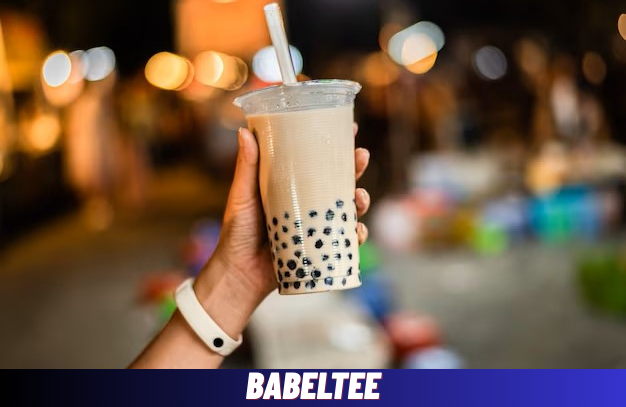
If you’ve ever searched for bubble tea online, chances are you’ve stumbled across the word Babeltee and paused in confusion. Is it a brand, a typo, or something entirely different? Many people assume Babeltee and bubble tea are the same thing, but the reality is more nuanced. This article breaks down the meaning, origin, and truth behind Babeltee in a clear, honest way. By the end, you’ll know exactly what Babeltee refers to and why the confusion exists.
What Is Babeltee?
At first glance, Babeltee looks like an alternative spelling of bubble tea, but it’s not officially recognized as one.
Babeltee is most commonly used as a misspelling, brand-inspired variation, or keyword adaptation of bubble tea. It appears frequently in online searches, social media captions, and small business names. In some cases, it’s used intentionally to create a unique identity while still referencing the popular drink.
The word itself does not have roots in traditional tea culture. Instead, it has grown from digital habits, phonetic spelling, and branding creativity rather than culinary history.
The Real Meaning Behind the Word
Babeltee doesn’t carry a dictionary-defined meaning like bubble tea does.
For many users, Babeltee is simply how bubble tea sounds when spoken quickly or informally. Others associate it with the idea of “Babel,” symbolizing diversity, languages, or global culture, paired with tea. That interpretation is more artistic than factual but explains why some brands prefer the spelling.
In short, Babeltee is a modern, informal label rather than a separate beverage category.
Why People Confuse Babeltee With Bubble Tea
The confusion isn’t accidental. Several factors play into it.
First, pronunciation plays a big role. When spoken aloud, “bubble tea” can sound like “babel tea,” especially for non-native English speakers. Second, online platforms reward uniqueness. Businesses and creators often tweak spellings to secure domain names, usernames, or trademarks.
Finally, search engines themselves contribute to the confusion. Autocorrect, voice search, and regional spelling variations can all push users toward the term Babeltee instead of bubble tea.
What Is Bubble Tea, Actually?
Bubble tea is a well-defined drink with a clear origin.
It originated in Taiwan during the 1980s and typically includes brewed tea, milk or fruit flavoring, sugar, ice, and chewy tapioca pearls. Over time, it evolved into countless variations, including cheese foam tea, popping boba, and plant-based versions.
Unlike Babeltee, bubble tea has cultural roots, documented history, and standardized ingredients that are recognized worldwide.
Is Babeltee a Brand or a Trend?
In many cases, Babeltee functions as a brand name rather than a product type.
Some cafés and online stores adopt the name Babeltee to stand out in a crowded market. Others use it as a marketing keyword to attract people searching for bubble tea. This strategy helps avoid trademark conflicts while still tapping into existing demand.
It’s also become a micro-trend on social media, where unique spellings feel more aesthetic, modern, or “Instagram-friendly.”
Babeltee in Online Searches and SEO
From an SEO perspective, Babeltee is an interesting keyword.
It has lower competition compared to bubble tea, yet it still attracts users with the same intent. People searching for Babeltee usually want information about bubble tea, menus, flavors, or nearby shops. This makes it a valuable term for niche websites, blogs, and small businesses.
However, clarity is crucial. Content should always explain the relationship between Babeltee and bubble tea to avoid misleading readers.
Is There Any Difference in Taste or Ingredients?
No, there is no inherent difference.
When Babeltee is used, it almost always refers to the same drink you know as bubble tea. The ingredients, preparation, and flavors remain unchanged. The difference lies only in naming, branding, or spelling.
If you order a drink labeled Babeltee, you’re still getting the familiar tea-and-boba experience.
Cultural Impact and Modern Usage
Language evolves with culture, and Babeltee is a small example of that shift.
In a globalized, digital world, words are reshaped by accents, trends, and platforms. Babeltee reflects how food culture adapts online, blending phonetics, branding, and creativity. While traditionalists may prefer “bubble tea,” modern audiences are more flexible.
This flexibility keeps the tea culture dynamic and accessible across regions.
Should You Use the Term Babeltee?
It depends on your purpose.
For casual conversation or branding, Babeltee can feel playful and distinctive. For educational, cultural, or historical contexts, bubble tea remains the accurate term. Using both together, with clear explanation, is often the best approach.
Transparency builds trust, especially when audiences are already confused.
FAQs
Is Babeltee the same as bubble tea?
Yes, in most cases Babeltee refers to bubble tea. The difference is in spelling and branding, not the drink itself.
Is Babeltee an official term?
No, Babeltee is not officially recognized in culinary dictionaries or traditional tea culture.
Why do some cafés use the name Babeltee?
Many businesses use it for uniqueness, branding, or SEO advantages while still selling bubble tea.
Can I search Babeltee to find bubble tea shops?
Yes. Most results will still lead you to bubble tea-related content, menus, or stores.
Is Babeltee a trend or a mistake?
It can be both. Sometimes it’s a typo, other times a deliberate branding or stylistic choice.
Conclusion
Babeltee may look like a mystery at first, but the truth is simple. It’s a modern variation tied closely to bubble tea, shaped by pronunciation, branding, and online trends. While bubble tea remains the official and culturally rooted term, Babeltee has found its place in digital spaces. Understanding the difference helps you navigate menus, searches, and conversations with confidence.
Stay in touch to get more updates & alerts on Technofeed! Thank you


