

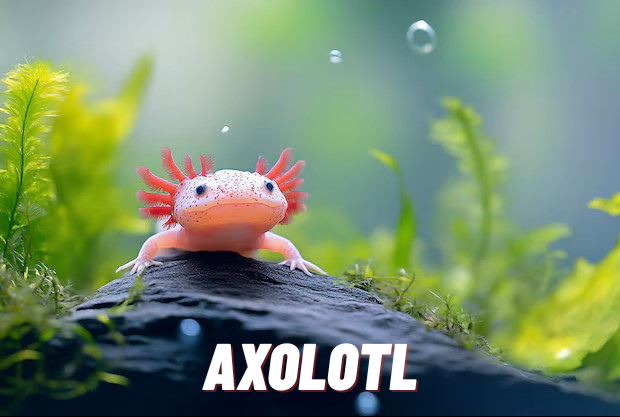
The axolotl is one of nature’s most fascinating creatures, often called the “immortal salamander” for its extraordinary ability to regenerate lost body parts. Native to Mexico, this aquatic amphibian looks almost mythical, with its feathery gills and gentle smile. Beyond its unusual appearance, the axolotl plays a crucial role in scientific research and environmental discussions. Its story is a blend of biology, culture, and conservation that continues to captivate people worldwide.
What Is an Axolotl?
The axolotl is a type of salamander that spends its entire life in water, unlike most amphibians that transition to land. Scientifically known as Ambystoma mexicanum, it belongs to the mole salamander family. What makes it truly unique is its refusal to undergo full metamorphosis.
Instead of becoming a land-dwelling adult, the axolotl retains its larval features throughout life. This condition, called neoteny, allows it to remain aquatic while still reaching sexual maturity. As a result, the axolotl keeps its external gills, tail fin, and soft skin permanently.
Natural Habitat and Origins
The axolotl is native to the ancient lake systems of Xochimilco and Chalco near Mexico City. These lakes were once vast and clean, providing an ideal environment for the species. Over time, urban expansion and pollution drastically reduced these waterways.
Today, axolotls are no longer found in the wild in large numbers. The remaining population survives mainly in the canals of Xochimilco, a UNESCO World Heritage Site. Sadly, habitat loss has made the axolotl critically endangered in its natural environment.
The Meaning Behind the Name
The word “axolotl” comes from the Nahuatl language spoken by the Aztecs. It roughly translates to “water monster” or “water dog.” According to Aztec mythology, the axolotl is linked to the god Xolotl, who transformed into this creature to escape sacrifice.
This mythological connection gives the axolotl cultural importance beyond science. Even today, it remains a symbol of resilience and mystery in Mexican heritage.
Unique Physical Characteristics
One of the most striking features of the axolotl is its external gills. These feathery structures extend from the sides of its head and allow it to absorb oxygen directly from the water. Combined with its wide mouth and tiny eyes, the axolotl often appears to be smiling.
Axolotls come in various colors, including wild-type brown, leucistic pink, albino white, and golden hues. Their soft, smooth skin lacks scales, making them sensitive to water conditions and environmental changes.
The Power of Regeneration
The axolotl’s ability to regenerate is what truly sets it apart from most animals. It can regrow lost limbs, tail, spinal cord, heart tissue, and even parts of its brain. Remarkably, this regeneration happens without scarring.
Scientists study axolotls to understand how their cells know exactly what to rebuild. These studies may one day help humans recover from spinal injuries or organ damage. In research labs, axolotls are considered living models of biological repair.
Behavior and Lifestyle
Axolotls are calm, slow-moving creatures that prefer quiet environments. They are mostly nocturnal, becoming more active at night when they hunt for food. During the day, they often rest at the bottom of their habitat.
Despite their gentle appearance, axolotls are carnivorous. They rely on movement to detect prey and use a quick suction motion to capture food. Their lifestyle is simple but perfectly adapted to aquatic living.
Diet and Feeding Habits
In the wild, axolotls feed on worms, small fish, insect larvae, and crustaceans. Their diet depends heavily on what is available in their environment. In captivity, they are often fed pellets, bloodworms, earthworms, and brine shrimp.
A balanced diet is essential for their health and regeneration abilities. Overfeeding or poor nutrition can lead to obesity or weakened immune systems. Clean water and proper feeding schedules are equally important.
Axolotls as Pets
Axolotls have become popular exotic pets due to their unique appearance and relatively low maintenance. However, they are not suitable for everyone. They require cool, clean water and specific tank conditions to thrive.
Handling axolotls is discouraged because their skin is delicate. Instead, observing them in a well-maintained aquarium is the best way to enjoy their presence. Responsible ownership includes understanding their needs and long lifespan, which can exceed 10 years.
Conservation Status and Threats
In the wild, axolotls are critically endangered. Pollution, invasive fish species, and habitat destruction are the main threats to their survival. Urban development has reduced their natural lakes to a fraction of their original size.
Conservation programs aim to restore parts of Xochimilco and breed axolotls in captivity for potential reintroduction. Public awareness and environmental protection are vital to ensuring their future.
Role in Scientific Research
Axolotls are widely used in laboratories due to their regenerative abilities and simple genetic makeup. Researchers study them to explore tissue regeneration, developmental biology, and genetics. Their cells behave in ways that challenge traditional medical understanding.
Many breakthroughs in regenerative medicine have roots in axolotl studies. This makes them not just fascinating animals, but also valuable contributors to scientific progress.
Axolotls in Popular Culture
Over the years, axolotls have gained popularity in art, games, and social media. Their friendly appearance and unusual traits make them appealing to all ages. They often symbolize healing, uniqueness, and survival.
From children’s books to video games, the axolotl has become a modern icon. This popularity has helped raise awareness about their endangered status, encouraging conservation efforts.
FAQs
Why are axolotls called immortal salamanders?
Axolotls earn this nickname because they can regenerate many body parts, including limbs and organs. This ability gives the impression of biological immortality.
Can axolotls live on land?
No, axolotls are fully aquatic and cannot survive on land. Unlike other salamanders, they do not undergo full metamorphosis.
How long do axolotls live?
In captivity, axolotls typically live 10 to 15 years with proper care. Lifespan in the wild is shorter due to environmental threats.
Are axolotls friendly to humans?
Axolotls are not aggressive and tolerate human presence, but they do not enjoy handling. They are best admired from a distance.
Why are axolotls endangered in the wild?
Habitat loss, pollution, and invasive species have severely reduced their natural population, making them critically endangered.
Conclusion
The axolotl is more than just a strange-looking amphibian; it is a living marvel of nature. From its regenerative powers to its cultural and scientific importance, this immortal salamander continues to inspire curiosity and research. Protecting the axolotl means preserving biodiversity and advancing scientific understanding. Its survival depends on awareness, conservation, and respect for the fragile ecosystems it calls home.
Stay in touch to get more updates & alerts on Technofeed! Thank you


