

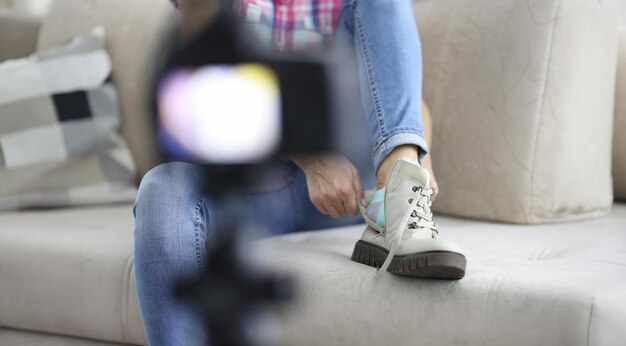
Footography may sound like a niche term, but it has quietly become a powerful trend in modern photography. From fashion campaigns and footwear brands to lifestyle influencers, carefully captured foot and shoe photos appear everywhere online. What seems like a simple photo of shoes or feet often requires thoughtful composition, lighting, and styling.
Professional photographers treat footography as its own creative discipline. They understand how angles, textures, and environments can transform an ordinary shot into a visually striking image. The goal is not only to showcase footwear but also to tell a subtle story about style, comfort, and personality.
Whether you’re a content creator, product photographer, or someone experimenting with creative photography, learning the basics of footography can significantly improve your images. With the right techniques, even a simple smartphone photo can look polished and professional.
This guide explores how experts approach footography, including lighting strategies, composition tips, styling methods, and editing techniques that elevate every shot.
Understanding the Concept of Footography
What Footography Really Means
Footography refers to the art of photographing feet, footwear, and related styling in a visually appealing way. While the term might sound informal, it plays an important role in industries such as fashion marketing, social media content creation, and e-commerce.
Footography focuses on details. Unlike general photography, where the entire subject is visible, this style emphasizes specific elements such as shoes, posture, movement, or the surrounding environment.
A well-executed footography shot can highlight the elegance of high heels, the rugged design of hiking boots, or the casual comfort of sneakers. The photographer’s goal is to create a visual mood that connects the footwear with a lifestyle or emotion.
Why Footography Has Become Popular
The rise of social media platforms like Instagram, Pinterest, and TikTok has fueled the popularity of footography. Influencers and brands constantly look for creative ways to showcase shoes, outfits, and travel experiences.
Close-up shoe photography works particularly well for fashion marketing. A stylish image of sneakers on a city street, sandals on a beach, or boots in autumn leaves can instantly capture attention and inspire viewers.
Because of this visual impact, companies increasingly invest in professional footography to promote products and strengthen brand identity.
Essential Equipment for Footography
Cameras and Lenses
While professional cameras deliver excellent quality, many great footography images are captured using smartphones. The key lies in understanding lighting and composition rather than relying solely on expensive equipment.
However, if you are using a DSLR or mirrorless camera, lenses between 35mm and 85mm work particularly well. These focal lengths provide natural perspectives without distorting the shape of shoes or feet.
Macro lenses can also be useful when highlighting intricate details such as stitching, textures, or patterns.
Lighting Tools
Lighting is one of the most important aspects of footography. Natural light often produces the most flattering results, especially when shooting outdoors or near a window.
Soft lighting prevents harsh shadows and allows textures to appear clearly. Reflectors, diffusers, or simple white surfaces can help control how light interacts with the subject.
Some photographers also use portable LED lights to maintain consistent brightness during indoor shoots.
Composition Techniques Professionals Use
Choosing the Right Angles
Angles dramatically influence how footwear appears in photos. Shooting from slightly above can make shoes look elegant and proportionate, while low angles may emphasize bold or dramatic styles.
Professional photographers often experiment with multiple perspectives before choosing the best shot. Side angles highlight shape and design, while top-down shots emphasize color patterns or symmetry.
Small adjustments in positioning can transform an ordinary photo into something visually captivating.
Framing and Balance
Balanced composition keeps the viewer’s attention on the subject. Photographers frequently use techniques like the rule of thirds to position shoes naturally within the frame.
Negative space can also enhance the image. Leaving space around the subject prevents clutter and creates a cleaner, more professional look.
Background elements such as pavement textures, wooden floors, or natural landscapes often add depth without distracting from the footwear.
Styling and Creative Concepts
Matching Footwear With the Environment
One of the secrets behind compelling footography is choosing environments that complement the shoes. A pair of running shoes may look best on a track or city street, while sandals naturally fit beach settings.
Seasonal backgrounds can also strengthen the visual story. Autumn leaves, snowy sidewalks, or summer boardwalks help create context that feels authentic and relatable.
Photographers often scout locations before shoots to find textures, colors, and surfaces that match the product’s style.
Outfit Coordination
Footography doesn’t focus only on shoes. Clothing and accessories contribute to the overall aesthetic of the image.
For example, denim jeans paired with sneakers can create a casual lifestyle vibe, while elegant dresses and heels evoke sophistication. Even small details like socks, jewelry, or nail polish can enhance the visual harmony.
Stylists often coordinate these elements carefully so the final image feels polished and cohesive.
Lighting Secrets for Perfect Footography
Using Natural Light Effectively
Natural light remains one of the best tools for foot photography. Early morning or late afternoon sunlight creates soft shadows and warm tones that enhance colors.
Window light works particularly well for indoor photos. Placing the subject near a window while using a reflector on the opposite side helps balance brightness and reduce shadows.
Cloudy days are surprisingly ideal because the diffused light evenly illuminates the subject without harsh highlights.
Avoiding Common Lighting Mistakes
Harsh overhead lighting can flatten textures and create unflattering shadows around the feet or shoes. Similarly, strong flash can produce unnatural reflections on polished surfaces.
Professionals typically soften light sources using diffusers or indirect lighting techniques. This approach keeps details crisp while maintaining a natural look.
Good lighting can transform even the simplest composition into a striking image.
Editing Techniques That Enhance Footography
Subtle Adjustments That Make a Difference
Editing plays a key role in refining footography images. Small adjustments to brightness, contrast, and color temperature can dramatically improve the overall appearance.
Most photographers avoid excessive filters because they can make the image appear artificial. Instead, they focus on subtle corrections that enhance natural tones and textures.
Cropping also helps improve composition by removing distractions around the subject.
Popular Editing Tools
Many professionals use editing tools such as Adobe Lightroom, Photoshop, or mobile apps like Snapseed. These programs allow precise adjustments without compromising image quality.
Sharpening details slightly can highlight textures in materials like leather, suede, or fabric. At the same time, smoothing minor imperfections ensures the image looks polished.
The goal is always to enhance the photo while preserving authenticity.
Building a Personal Footography Style
Experimenting With Creative Ideas
Every photographer eventually develops a signature style. Some prefer minimalistic shots with clean backgrounds, while others create storytelling scenes with dynamic environments.
Trying different themes helps refine creative direction. Travel footography, urban street style, and luxury fashion photography each offer unique opportunities for experimentation.
Keeping a portfolio of successful images can help identify which styles resonate most with audiences.
Learning From Inspiration
Many photographers study fashion magazines, brand campaigns, and social media galleries for inspiration. Observing how professionals compose shots and use lighting can reveal valuable insights.
However, originality remains essential. Instead of copying trends, the best photographers adapt ideas and develop their own creative approach.
Over time, consistent practice leads to stronger visual storytelling and more distinctive images.
Frequently Asked Questions
What is footography used for?
Footography is widely used in fashion marketing, social media content creation, and e-commerce photography. Brands often rely on this style to highlight footwear products in visually appealing ways that attract potential buyers.
Do you need professional equipment for footography?
Not necessarily. While professional cameras can improve quality, many impressive footography images are captured with smartphones. Lighting, composition, and creativity usually matter more than expensive equipment.
What backgrounds work best for foot photography?
Neutral or textured backgrounds often work well because they complement footwear without overwhelming the image. Popular options include wooden floors, city streets, sand, grass, or simple studio backdrops.
How can beginners improve their footography skills?
Beginners can start by experimenting with natural lighting, trying different angles, and practicing composition techniques like the rule of thirds. Studying professional examples and practicing regularly also helps build confidence.
Is editing necessary in footography?
Editing is commonly used to enhance brightness, colors, and sharpness. However, most professionals keep edits subtle so the photo still looks natural and authentic.
Conclusion
Footography is more than simply taking pictures of shoes or feet. It combines creativity, styling, lighting, and storytelling to create images that capture attention and communicate a mood or lifestyle.
Professional photographers understand that even small details—such as angle, background, or lighting—can dramatically affect the final result. With practice and experimentation, anyone can learn these techniques and elevate their photography skills.
Whether you are promoting footwear products, building social media content, or exploring photography as a hobby, mastering footography opens the door to a unique and visually engaging form of creative expression.
Stay in touch to get more updates & alerts on Technofeed! Thank you


