
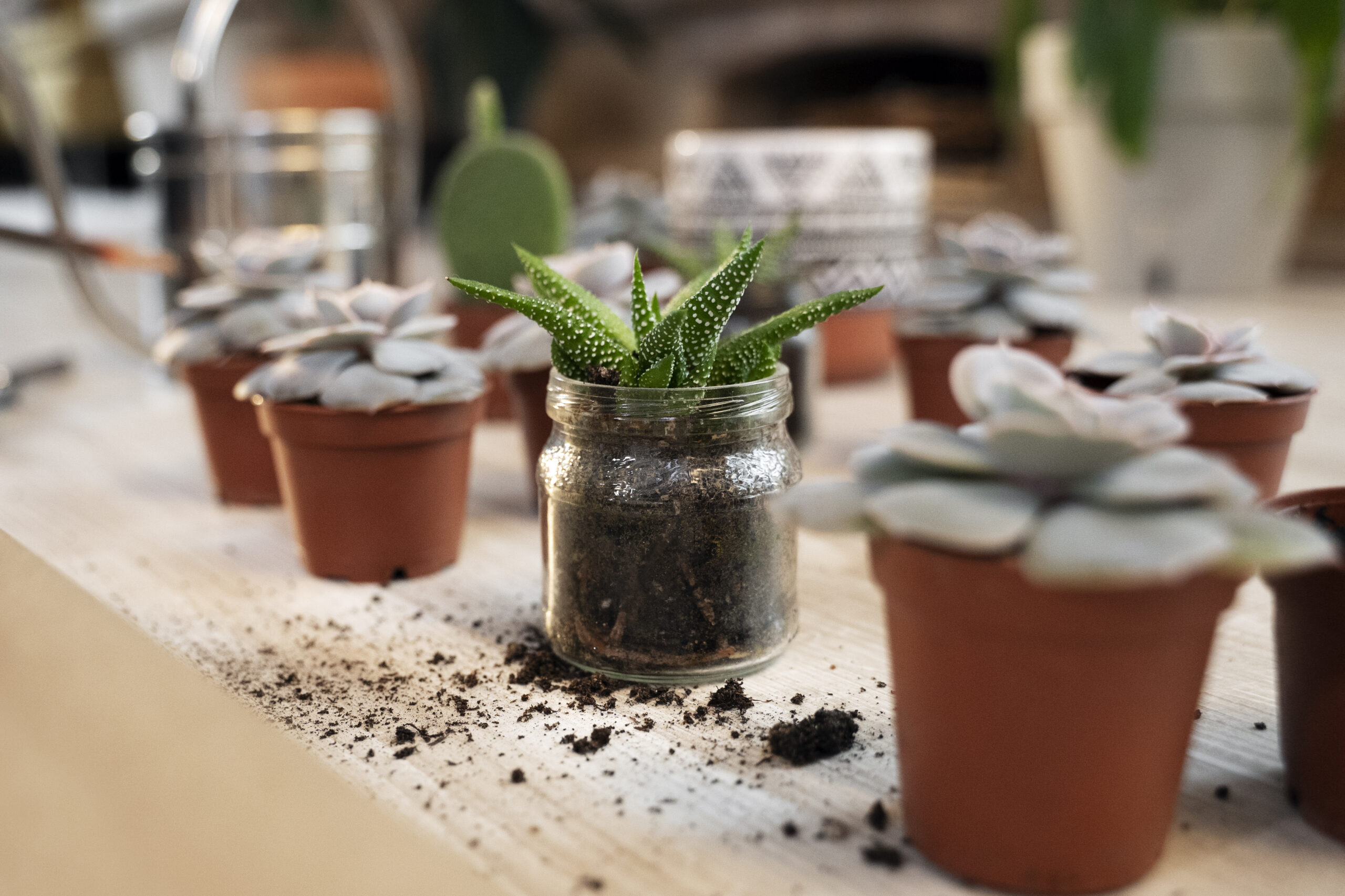
Succulent plants have quietly become favorites in homes, offices, and gardens around the world. Their sculptural shapes, rich colors, and low-maintenance nature make them hard to resist. I still remember my first Suçculent sitting on a sunny windowsill, surviving weeks of neglect and still looking fresh. This guide explores what makes succulents special, how they grow, and how you can care for them with confidence.
What Are Suçculent Plants
Suçculent plants are known for their thick, fleshy leaves or stems that store water. This natural adaptation allows them to survive in dry climates where rainfall is rare. Unlike leafy houseplants that wilt quickly without water, succulents hold moisture inside their tissues.
These plants come from diverse regions, including deserts, coastal cliffs, and rocky mountains. Because of this, succulents vary widely in shape and texture. Some form neat rosettes, while others grow tall or trail elegantly from pots.
Popular Types of Suçculent Plants
Some succulents are instantly recognizable, while others feel almost exotic. Aloe vera is popular for both its appearance and its soothing gel. Echeveria is loved for its symmetrical rosette form and pastel shades.
Jade plants are often passed down through families, believed to symbolize luck and prosperity. Haworthia and Gasteria are smaller varieties that thrive indoors, making them ideal for desks and shelves. Each type has its own charm and slightly different care needs.
Natural Growth Habits and Lifespan
Succulents grow slowly compared to many houseplants. This slow pace is part of their appeal, as they rarely outgrow their containers too quickly. In nature, some succulents live for decades, quietly adapting to harsh environments.
Growth usually happens during warmer months when light is abundant. In colder seasons, many succulents rest and require minimal care. Understanding this rhythm helps prevent overwatering and stress.
Best Environment for Healthy Succulents
Light plays a major role in succulent health. Most varieties prefer bright, indirect sunlight, though some can handle direct morning sun. A south- or east-facing window is often ideal for indoor plants.
Air circulation and temperature also matter. Succulents enjoy warm conditions but dislike extreme humidity. If your space feels comfortable to you, it usually suits a Suçculent as well.
Soil and Pot Selection
Regular garden soil holds too much moisture for succulents. Well-draining soil, often mixed with sand or perlite, prevents root rot and promotes healthy growth. Many gardeners prefer ready-made cactus and succulent mixes for reliability.
Pots should always have drainage holes. Terracotta pots are especially helpful because they allow moisture to evaporate through the sides. This small detail can make a big difference in long-term plant health.
Watering Techniques That Actually Work
Overwatering is the most common mistake with succulents. These plants prefer deep but infrequent watering. Allow the soil to dry out completely before adding more water.
A good rule is to water thoroughly, then wait until the soil feels dry several inches below the surface. In winter, watering may only be needed once every few weeks. Observing your plant is more reliable than following a strict schedule.
Feeding and Nutrient Needs
Succulents are light feeders and do not require frequent fertilization. During the growing season, a diluted succulent fertilizer once a month is usually enough.
Too much fertilizer can cause rapid, weak growth that spoils the plant’s natural shape. When in doubt, less is better. Healthy succulents show steady, compact growth without heavy feeding.
Common Problems and How to Fix Them
Yellowing leaves often signal overwatering, while wrinkled leaves usually indicate dehydration. Pests like mealybugs can occasionally appear, especially on indoor plants.
Most issues can be solved by adjusting light, water, or airflow. Removing damaged leaves and improving conditions often helps the plant recover naturally without chemicals.
Propagation and Easy Expansion
One of the joys of succulents is how easy they are to propagate. Many varieties can grow new plants from a single leaf or stem cutting. Let the cutting dry for a few days before placing it on soil.
Watching roots and tiny leaves form feels surprisingly rewarding. It is also an affordable way to expand your collection or share plants with friends.
Using Succulents in Home and Garden Design
Succulents fit effortlessly into modern interiors and outdoor landscapes. They look stunning in minimalist pots, hanging planters, or mixed arrangements. Outdoors, they thrive in rock gardens and dry landscapes.
Because of their shapes and colors, succulents often act as living décor. A simple arrangement can transform a space without overwhelming it.
FAQs
Are Suçculent plants good for beginners
Yes, succulents are ideal for beginners because they require minimal watering and adapt well to indoor environments.
How often should I water my succulent
Water only when the soil is completely dry. This may mean once a week in summer and once every few weeks in winter.
Can succulents survive indoors without direct sunlight
Many succulents can survive with bright indirect light, but insufficient light may cause stretching or color loss.
Why are my succulent leaves falling off
Leaf drop is often caused by overwatering or sudden changes in temperature or light.
Do succulents need pruning
Pruning is optional but helpful for removing dead leaves and encouraging balanced growth.
Conclusion
Succulent plants combine beauty, resilience, and simplicity in a way few plants can. With the right light, soil, and watering habits, they thrive almost effortlessly. Whether you are growing a single Suçculent or building a collection, these plants reward patience and observation. Over time, caring for succulents becomes less about rules and more about understanding their quiet signals.
Stay in touch to get more updates & alerts on Technofeed! Thank you